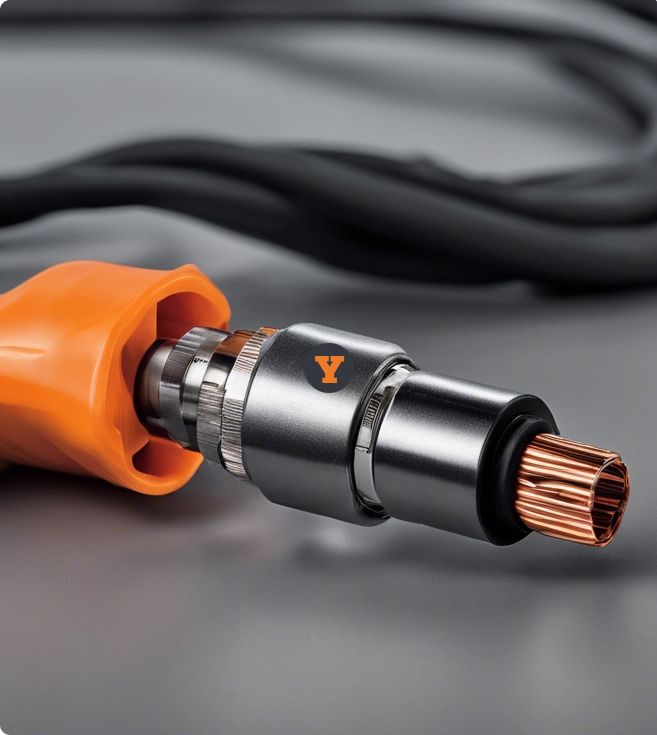
M Type Brass Cable Gland vs. PG Type Brass Cable Gland: Differences, Advantages, and Selection Guide
Cable glands are crucial components in industrial and electrical installations, providing strain relief, environmental protection, and secure cable entry. Within the brass cable gland category, two widely used standards are M type (Metric) brass cable glands and PG type (Panzer-Gewinde or German thread) brass cable glands. Although both are designed to protect and secure cables, the choice between M type and PG type can significantly affect installation compatibility, performance, and compliance.
This guide offers an in-depth comparison, highlighting differences, advantages, limitations, and practical tips to help engineers, procurement professionals, and installers select the right brass cable gland for their projects.
1. Understanding M Type Brass Cable Glands
M Type (Metric) brass cable glands are designed according to the international metric thread standard. They are widely used in modern industrial and commercial installations, particularly where metric system components are standard.
Key Features of M Type Brass Cable Glands:
· Thread Standard: Metric (e.g., M16, M20, M25), widely compatible with metric conduits
· Material: High-quality brass, often nickel-plated for corrosion resistance
· Mechanical Strength: Strong, suitable for heavy-duty applications
· Temperature Range: Typically -40°C to +120°C
· Environmental Protection: Provides IP65–IP68 sealing depending on design
· Applications: Industrial machinery, control panels, commercial electrical enclosures, and outdoor installations with metric system components
M type glands are popular for international and metric-based installations, offering high mechanical strength and versatile compatibility.
PG Type (Panzer-Gewinde) brass cable glands follow the German PG thread standard, historically common in European installations. PG threads are slightly coarser than metric threads and have different pitch specifications.
Key Features of PG Type Brass Cable Glands:
· Thread Standard: PG threads (e.g., PG7, PG9, PG11), traditionally used in German and European systems
· Material: High-quality brass, often nickel-plated for corrosion protection
· Mechanical Strength: Strong, suitable for industrial use
· Temperature Range: Typically -40°C to +120°C
· Environmental Protection: IP65–IP68 achievable depending on design
· Applications: European machinery, electrical cabinets, industrial automation systems, and retrofitting projects
PG type glands are ideal for projects requiring compatibility with legacy European systems or existing PG-threaded conduits.
3. M Type vs PG Type Brass Cable Glands: Key Differences
Feature | M Type Brass Cable Gland | PG Type Brass Cable Gland |
Thread Standard | Metric (M16, M20, M25, etc.) | PG (PG7, PG9, PG11, etc.) |
Thread Pitch | Fine pitch; conforms to ISO metric standards | Coarser pitch; conforms to German DIN standard |
Compatibility | Compatible with metric conduits and fittings | Compatible with PG-threaded conduits and legacy European installations |
Applications | Modern international machinery, metric-based installations | European equipment, retrofit, and older electrical panels |
Availability | Widely available globally | Popular in Europe, less common in some regions |
Mechanical Strength | High | High |
Corrosion Resistance | Excellent with nickel plating | Excellent with nickel plating |
Environmental Protection | IP65–IP68 | IP65–IP68 |
4. Advantages and Limitations
Advantages of M Type Brass Cable Glands
· Global Compatibility: Metric standard widely used internationally
· High Mechanical Strength: Resistant to vibration, impact, and strain
· Versatility: Works with a broad range of conduits and equipment
· Durability: Nickel-plating ensures corrosion and water resistance
Limitations:
· Less compatible with older European PG-threaded systems
· Slightly higher cost in regions where PG is standard
Advantages of PG Type Brass Cable Glands
· Legacy Compatibility: Perfect for retrofitting European machinery or PG-threaded panels
· High Mechanical Strength: Resists vibration and strain in industrial environments
· Durable Construction: Nickel-plated brass ensures corrosion resistance
· Proven Standard: Longstanding reliability in European electrical installations
Limitations:
· Limited compatibility with metric conduits
· Coarser threads may be less precise for fine-fitting applications
· Less common in new international projects outside Europe
5. Key Considerations When Choosing Between M Type and PG Type Brass Cable Glands
1. Thread Compatibility
· Metric-based installation or new projects → M Type
· European legacy systems or PG-threaded conduits → PG Type
1. Mechanical Requirements
· Both provide strong mechanical strength, suitable for industrial use
1. Environmental Protection
· Both types can achieve IP65–IP68 ratings; choice depends on specific sealing rings and design
1. Project Location and Standards
· Global projects and modern machinery → M Type
· European retrofit or legacy systems → PG Type
1. Availability and Cost
· M Type is widely available internationally, generally easier to source globally
· PG Type may have regional supply constraints outside Europe
6. Common Installation Issues and Solutions
Problem 1: M Type gland incompatible with PG-threaded conduit
Solution: Use thread adapters or select the corresponding standard to match conduits.
Problem 2: PG Type difficult to find for modern metric systems
Solution: Source specialty suppliers or plan early procurement for retrofitting projects.
Problem 3: Water ingress due to improper tightening
Solution: Use proper torque according to manufacturer specifications; ensure sealing rings are installed correctly.
Problem 4: Thread damage during installation
Solution: Avoid over-tightening; use compatible tools; ensure thread alignment before securing the gland.
7. Business Applications and Industry Trends
M Type Brass Cable Glands:
· Preferred for modern industrial machinery, automation systems, and metric-based electrical installations globally.
· Increasingly standard in Asia, North America, and new industrial projects.
PG Type Brass Cable Glands:
· Commonly used in European installations, retrofitting legacy systems, and older industrial equipment.
· Popular in Germany, France, and other European regions.
In practice, companies often maintain both M type and PG type stock, allowing flexibility for both new international projects and legacy European retrofits.
8. Which Type Should You Choose?
Question | M Type Brass Cable Gland | PG Type Brass Cable Gland |
Thread system | Metric (ISO) | PG (German DIN) |
Project type | New international installations | European legacy or retrofit projects |
Availability | Global | Europe-focused, specialty suppliers elsewhere |
Mechanical performance | High | High |
Environmental protection | IP65–IP68 | IP65–IP68 |
Ease of sourcing | Easy | Moderate outside Europe |
Summary:
· M Type: Ideal for modern, metric-based installations worldwide, ensuring compatibility and ease of procurement.
· PG Type: Essential for European legacy systems or retrofitting older panels, preserving compatibility and meeting historical standards.
9. Conclusion
Selecting between M Type and PG Type brass cable glands is primarily about thread compatibility, project location, and legacy system requirements. While both provide excellent mechanical strength, corrosion resistance, and environmental protection, the choice depends on whether the installation is metric-standard or PG-threaded.
For businesses seeking high-quality M Type and PG Type brass cable glands with reliable performance, certified standards compliance, and expert technical support, YDT provides a full range of cable gland solutions designed to meet both modern and legacy industrial requirements, ensuring safe and durable installations.