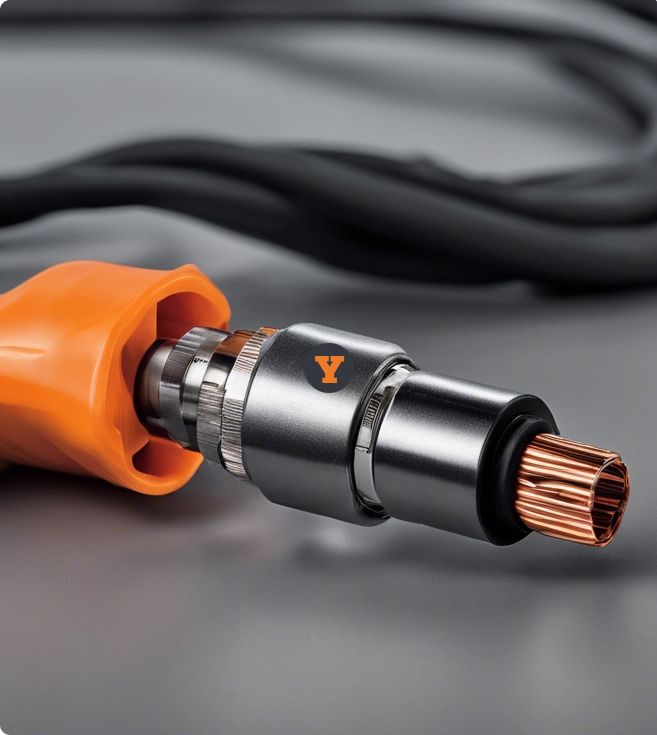
Waterproof Brass Cable Gland vs Dustproof Brass Cable Gland: How to Choose the Right Protection for Your Cables
Waterproof Brass Cable Gland vs Dustproof Brass Cable Gland: How to Choose the Right Protection for Your Cables
In modern electrical and industrial installations, cable glands play a crucial role in ensuring system safety, reliability, and longevity. They are not just simple connectors; they serve as the first line of defense against environmental hazards such as water, dust, oil, and chemical exposure. Among the diverse types of cable glands, waterproof brass cable glands and dustproof brass cable glands are commonly specified—but many buyers are unsure about the differences and the right choice for their projects.
This article provides a comprehensive guide to understanding the difference between waterproof and dustproof brass cable glands, exploring their structures, IP ratings, applications, and procurement considerations, so that engineers and purchasing managers can make informed decisions.
1. Understanding Cable Gland Protection Standards
Cable glands are designed to protect cables from environmental factors while maintaining electrical integrity. Their protection capability is defined by IP ratings (Ingress Protection), which consist of two digits:
· First digit: Protection against solid objects (dust, particles)
· Second digit: Protection against liquids (water, oil)
IP First Digit | Protection Level |
5 | Dust-protected (limited ingress) |
6 | Dust-tight (no ingress) |
IP Second Digit | Protection Level |
4 | Splash-resistant |
5 | Water jets resistant |
6 | Powerful water jets resistant |
7 | Temporary immersion |
8 | Continuous immersion |
From this, it becomes clear: dustproof brass cable glands focus on the first digit, whereas waterproof brass cable glands focus on the second digit. However, in practice, most quality cable glands combine both protections.
2. What Is a Dustproof Brass Cable Gland?
2.1 Definition and Features
A dustproof brass cable gland is engineered to prevent solid particles such as dust, sand, or fine powder from entering the enclosure or cable termination point. Its primary function is to maintain internal electrical component safety in dusty or industrial environments.
Key features include:
· Dust-tight sealing rings made of NBR, EPDM, or silicone
· Brass body resistant to corrosion and mechanical stress
· Compatible threads (PG, M, NPT)
· Simple installation requiring proper torque to maintain dustproof rating
2.2 Applications of Dustproof Brass Cable Glands
Dustproof brass cable glands are widely used in environments where dust and particulate exposure is a concern:
· Mining and quarry operations
· Cement and concrete plants
· Material handling systems
· Industrial machinery in powdery or sandy environments
· Indoor control panels with high dust accumulation risk
In these applications, water exposure is minimal, so the focus is preventing solid ingress.
2.3 Limitations
· Not designed for continuous water exposure
· Dustproof rating alone may not protect against condensation or splashing
· Requires correct installation to achieve the rated protection
3. What Is a Waterproof Brass Cable Gland?
3.1 Definition and Features
A waterproof brass cable gland is designed to prevent liquid ingress, ensuring that cables and electrical connections remain protected from:
· Rain and splashes
· Hose-directed washing
· Accidental immersion
· Humid or high-moisture conditions
Key features include:
· Sealing rings optimized for liquid tightness
· Multi-layer sealing for IP67 or IP68 ratings
· Nickel-plated or corrosion-resistant brass body
· High mechanical strength to withstand water pressure
3.2 Applications of Waterproof Brass Cable Glands
Waterproof brass cable glands are ideal for:
· Outdoor lighting and signage
· Industrial automation equipment exposed to wash-down
· Marine and offshore installations
· Submersible pumps or cable entries into tanks
· HVAC systems in high-humidity areas
Here, the main concern is water ingress, which could lead to short circuits, corrosion, or system failure.
3.3 Limitations
· Dust ingress is not always fully prevented unless explicitly rated IP6X
· Higher cost than dustproof-only designs
· Proper installation is critical to maintain waterproof performance
4. Side-by-Side Comparison: Dustproof vs Waterproof Brass Cable Glands
Feature | Dustproof Brass Cable Gland | Waterproof Brass Cable Gland |
Primary Function | Prevent solid particles ingress | Prevent water ingress |
IP Rating Focus | First digit (5 or 6) | Second digit (6, 7, 8) |
Sealing Material | NBR, EPDM (dust-focused) | NBR, EPDM, Silicone (liquid-focused) |
Common Environments | Dusty, sandy, indoor industrial | Outdoor, wet, humid, marine |
Installation Tolerance | Medium | Requires precise installation for water tightness |
Cost | Lower | Higher (depends on IP rating) |
Typical Risk if Failed | Dust contaminates electronics | Water damages electronics or short circuits |
5. Choosing the Right Cable Gland: Procurement Guide
5.1 Key Factors to Consider
· Environmental Conditions: Will the cables be exposed to dust, water, or both? Indoor or outdoor?
· IP Rating Requirements: Dustproof only: IP5X or IP6X; Waterproof: IP67 or IP68
· Cable Type and Diameter: Ensure the gland fits the cable snugly to maintain protection
· Material and Corrosion Resistance: Brass body with nickel plating or corrosion-resistant coating for longevity
· Maintenance and Lifecycle: Consider long-term exposure, replacement cost, and downtime
5.2 Practical Scenarios
· Dusty Indoor Factory: Dustproof brass cable gland (IP6X) is sufficient
· Outdoor Equipment in Rainy Areas: Waterproof brass cable gland (IP67) is recommended
· Marine Pump or Submersible Equipment: IP68 waterproof brass cable gland is required
· Industrial Facility with Dust and Occasional Water Exposure: Choose a dual-rated dustproof + waterproof IP66/IP67 brass gland
This ensures cost-effective protection without over-specifying.
6. Common Misconceptions
6.1 “Dustproof Means Waterproof”
Not necessarily. A dustproof gland may allow water ingress if exposed to splashes or immersion.
6.2 “Waterproof Alone Is Enough”
In highly dusty environments, water-resistant glands without dustproof design may accumulate debris inside, affecting sealing performance.
6.3 “Higher IP Ratings Are Always Better”
Selecting IP68 when only dust protection is needed increases costs unnecessarily. Proper specification should match actual environmental needs.
7. Procurement Tips for Maximum ROI
· Specify IP Ratings Clearly: Include both dust and water protection requirements in RFQs
· Check Sealing Material: High-quality EPDM or silicone ensures both water and dust resistance
· Verify Thread Compatibility: Ensure the gland matches enclosure entry threads
· Test Fit and Torque: Proper installation is essential to achieve IP rating
· Consider Maintenance Access: Select glands that are easy to inspect or replace in critical systems
Following these guidelines helps procurement teams minimize downtime, extend equipment life, and optimize project budgets.
8. Conclusion
Understanding the difference between waterproof and dustproof brass cable glands is essential for safe and reliable electrical installations. While dustproof glands focus on preventing solid particle ingress, waterproof glands ensure protection against liquid exposure. Many industrial applications require consideration of both factors to maintain system integrity and reduce maintenance costs. Selecting the right protection based on actual environmental conditions, IP rating, and long-term reliability ensures optimal performance and cost efficiency.
YDT provides high-quality brass cable glands engineered for both waterproof and dustproof performance, helping customers achieve reliable installations, longer service life, and maximum project value.