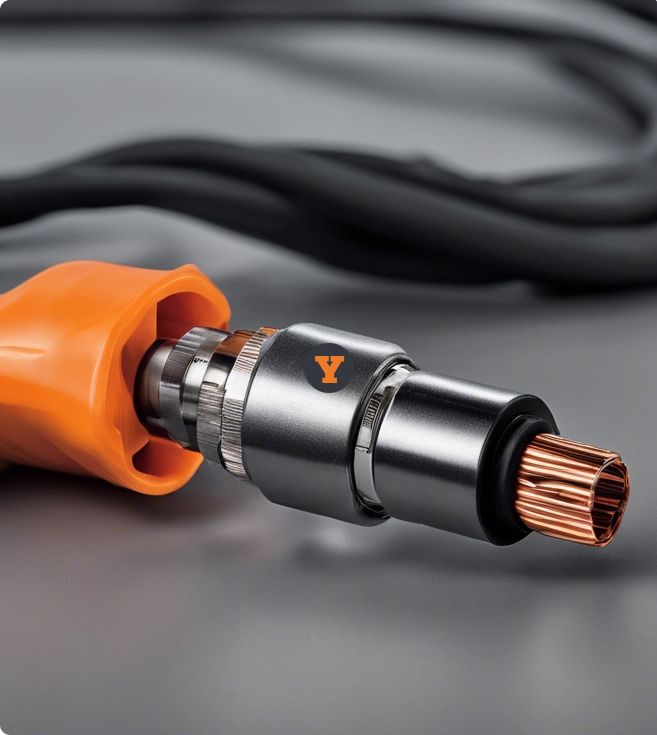
Standard Brass Cable Gland vs. Explosion-Proof Brass Cable Gland: Differences, Advantages, and Selection Guide
Cable glands are vital components in electrical and industrial installations, providing secure cable entry, strain relief, environmental protection, and safety compliance. Within the brass cable gland category, two commonly used types are standard brass cable glands and explosion-proof brass cable glands. Choosing the right type can significantly affect installation safety, performance, and compliance, especially in hazardous environments.
This guide provides an in-depth comparison, detailing the differences, advantages, limitations, and practical guidance to help engineers, procurement professionals, and project managers select the most suitable brass cable gland for their specific needs.
1. Understanding Standard Brass Cable Glands
Standard brass cable glands are designed for general industrial, commercial, and outdoor electrical installations. They provide reliable protection for cables in non-hazardous environments while offering strong mechanical performance.
Key Features of Standard Brass Cable Glands:
· Material: High-quality brass, often nickel-plated to resist corrosion
· Mechanical Strength: Strong, suitable for medium to heavy-duty industrial applications
· Temperature Range: Typically -40°C to +120°C
· Environmental Protection: IP65–IP68 achievable with proper sealing
· Applications: General machinery, industrial control panels, outdoor enclosures, and standard electrical installations
Standard brass cable glands are cost-effective, versatile, and widely used in industrial and commercial applications where there is no risk of explosive atmospheres.
2. Understanding Explosion-Proof Brass Cable Glands
Explosion-proof brass cable glands are specifically designed for hazardous environments where flammable gases, vapors, or dust may be present. These glands prevent sparks or electrical arcs from igniting the surrounding atmosphere, ensuring maximum safety compliance.
Key Features of Explosion-Proof Brass Cable Glands:
· Material: High-quality brass with robust construction, sometimes nickel-plated for corrosion resistance
· Mechanical Strength: Extremely strong to withstand high pressures and industrial stress
· Temperature Range: Typically -40°C to +120°C, with flame-proof ratings for specific conditions
· Environmental Protection: IP66–IP68, designed to maintain explosion-proof integrity
· Applications: Oil and gas facilities, chemical plants, mining operations, paint factories, and any hazardous area classified as ATEX or IECEx
Explosion-proof brass cable glands are critical for safety, protecting both personnel and equipment in high-risk environments.
3. Standard vs Explosion-Proof Brass Cable Glands: Key Differences
Feature | Standard Brass Cable Gland | Explosion-Proof Brass Cable Gland |
Purpose | General industrial and commercial use | Hazardous environments with flammable gases, vapors, or dust |
Material | Brass, often nickel-plated | Brass with reinforced design, nickel-plated optional |
Mechanical Strength | High, suitable for standard industrial stress | Very high, designed to withstand pressure, vibration, and impact |
Temperature Range | -40°C to +120°C | -40°C to +120°C (explosion-proof rated) |
Environmental Protection | IP65–IP68 | IP66–IP68 with explosion-proof certification |
Safety Standards | General electrical safety | ATEX, IECEx, or local hazardous area standards |
Applications | Machinery, panels, outdoor enclosures | Oil & gas, chemical plants, mining, hazardous zones |
4. Advantages and Limitations
Advantages of Standard Brass Cable Glands
· Cost-Effective: Affordable solution for non-hazardous industrial projects
· Good Mechanical Strength: Suitable for most industrial and commercial installations
· Durability: Nickel plating enhances corrosion resistance
· Easy Installation: Compatible with standard threaded conduits and fittings
Limitations:
· Not suitable for explosive or hazardous environments
· May lack reinforced sealing for high-risk applications
Advantages of Explosion-Proof Brass Cable Glands
· Safety Compliance: Certified for use in hazardous areas (ATEX, IECEx)
· High Mechanical Durability: Can withstand impact, vibration, and pressure
· Environmental Protection: Resistant to water, dust, and explosive atmospheres
· Specialized Applications: Essential for high-risk industrial facilities
Limitations:
· Higher cost compared to standard brass glands
· Heavier and more complex to install
· Over-specified for non-hazardous installations, increasing unnecessary expense
5. Key Considerations When Choosing Between Standard and Explosion-Proof Brass Cable Glands
1. Installation Environment
· Non-hazardous industrial or commercial installations → Standard
· Hazardous or flammable environments → Explosion-Proof
1. Safety Requirements
· Basic IP-rated protection → Standard
· Compliance with ATEX, IECEx, or hazardous area standards → Explosion-Proof
1. Mechanical Stress
· Standard industrial machinery → Standard
· High vibration, mechanical load, or harsh conditions → Explosion-Proof
1. Cost and Project Budget
· Cost-sensitive, low-risk projects → Standard
· Critical safety installations → Explosion-Proof, regardless of cost
1. Regulatory Compliance
· Non-hazardous projects → Standard safety regulations
· Hazardous projects → Must meet international explosion-proof standards
6. Common Installation Issues and Solutions
Problem 1: Water ingress in outdoor standard glands
Solution: Ensure proper sealing and use IP-rated glands; check O-rings for wear.
Problem 2: Explosion-proof gland not fitting standard conduits
Solution: Use adapters or ensure thread standard (M or PG) matches installation.
Problem 3: Over-tightening causing damage
Solution: Follow torque specifications; use correct tools to avoid thread or sealing damage.
Problem 4: Non-compliance in hazardous areas
Solution: Verify certification (ATEX, IECEx); select glands rated for the specific hazardous zone.
7. Business Applications and Industry Trends
Standard Brass Cable Glands:
· Used in general industrial machinery, commercial electrical panels, outdoor enclosures, and standard electrical installations.
· Popular for projects requiring moderate protection and cost efficiency.
Explosion-Proof Brass Cable Glands:
· Critical in oil & gas, chemical plants, mining, and hazardous industrial zones.
· Ensures personnel safety and compliance.
Many companies maintain both types in inventory, using standard brass glands in safe areas and explosion-proof glands for hazardous zones, balancing cost and safety.
8. Which Type Should You Choose?
Question | Standard Brass Cable Gland | Explosion-Proof Brass Cable Gland |
Environment | Non-hazardous industrial or commercial | Hazardous or flammable areas |
Safety Compliance | Standard electrical safety | ATEX, IECEx, hazardous zone certified |
Mechanical Stress | Moderate | High |
Cost | Lower | Higher |
Installation Complexity | Easy | Moderate to complex |
Longevity & Durability | Good | Excellent in hazardous conditions |
Summary:
· Standard Brass Cable Glands: Ideal for safe, cost-effective industrial installations
· Explosion-Proof Brass Cable Glands: Required for hazardous areas where safety, certification, and durability are critical
9. Conclusion
Selecting the correct type of brass cable gland is essential for ensuring safety, system reliability, and regulatory compliance. Standard brass cable glands are suitable for most industrial and commercial applications, providing strong mechanical protection and cost efficiency. Explosion-proof brass cable glands are indispensable in hazardous environments, providing certified safety, exceptional durability, and reliable sealing.
For businesses seeking high-quality standard and explosion-proof brass cable glands with certified performance, reliable durability, and expert technical support, YDT offers a complete range of solutions designed to meet diverse industrial and electrical project requirements, ensuring safe and efficient installations.