


CONTACT US
CABLE GLAND
MANUFACTURER

CONTACT US
CABLE GLAND
MANUFACTURER

CONTACT US
CABLE GLAND
MANUFACTURER

CONTACT US
CABLE GLAND
MANUFACTURER
RIGHT CABLE
PROTECTION FOR YOUR SOLUTIONS
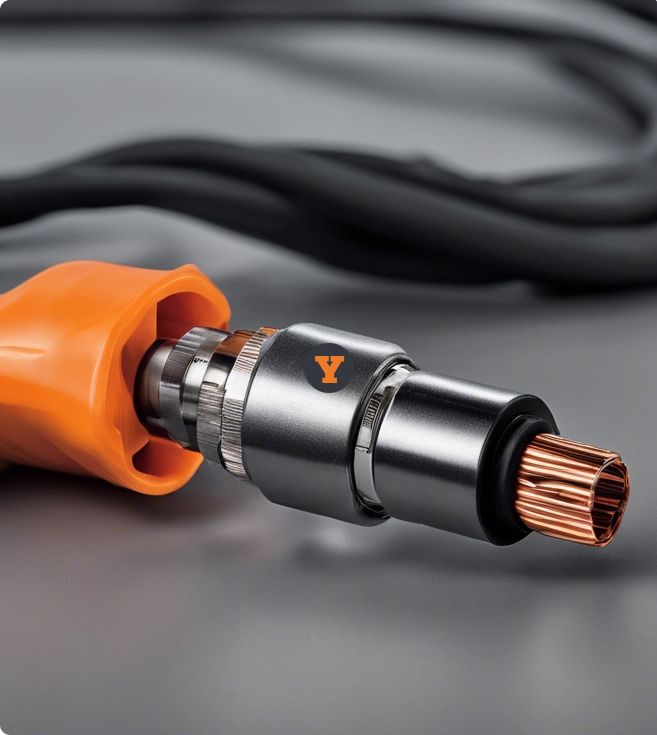
Marine Brass Cable Gland vs Industrial Brass Cable Gland: Key Differences for Reliable Electrical Protection
June. 02, 2026
Share:
In industrial electrical systems, cable glands are often treated as small accessories. In reality, they are critical sealing components that directly influence system safety, reliability, and downtime risk. This becomes even more important in environments exposed to moisture, salt, vibration, and corrosion.
Among brass cable gland categories, two commonly specified types are marine brass cable glands and industrial brass cable glands. While they may look similar in structure and function, their design priorities, corrosion resistance levels, and application environments are significantly different.
Choosing the wrong type can lead to corrosion failure, sealing breakdown, electrical faults, and unexpected shutdowns—especially in offshore or high-humidity environments.
This article provides a detailed, engineering-focused comparison to help procurement teams and engineers make the right selection.

A brass cable gland is a mechanical fitting used to:
Secure electrical cables to equipment
Provide strain relief
Maintain ingress protection (IP rating)
Prevent dust, moisture, and contaminants from entering enclosures
Ensure safe electrical continuity and system stability
Brass is widely used because it offers:
Good mechanical strength
Cost efficiency
Machinability
Moderate corrosion resistance
Compatibility with industrial electrical systems
However, not all brass cable glands are designed for the same environment. This is where the distinction between marine and industrial grades becomes critical.
A marine brass cable gland is specifically designed for environments where corrosion risk is extremely high, especially due to salt exposure and constant humidity.
Marine environments accelerate metal degradation due to:
Salt spray
Seawater exposure
High humidity
Continuous condensation
Offshore wind conditions
To withstand these conditions, marine brass cable glands typically feature:
Nickel-plated brass or specially treated brass bodies
Enhanced surface protection coatings
High corrosion resistance sealing components
Improved environmental sealing systems
Marine brass cable glands are commonly used in:
Offshore oil and gas platforms
Shipbuilding and marine vessels
Coastal infrastructure projects
Harbors and port equipment
Desalination plants
Coastal renewable energy systems
Marine brass cable glands are designed to resist:
Salt spray corrosion
Pitting corrosion
Galvanic corrosion in humid environments
This is the most critical difference from industrial-grade products.
Marine environments require:
Stronger sealing against moisture ingress
Resistance to condensation cycles
Long-term stability in wet conditions
Even in continuous exposure to seawater air, marine-grade glands are designed for:
Reduced maintenance frequency
Stable sealing performance
Extended operational lifespan
An industrial brass cable gland is designed for general-purpose industrial environments where corrosion exists but is not extreme.
Industrial environments typically involve:
Indoor installations
Controlled humidity
Moderate exposure to dust or oil
Limited chemical exposure
Industrial brass cable glands prioritize:
Mechanical strength
Cost efficiency
Ease of installation
Standard ingress protection performance
Industrial brass cable glands are widely used in:
Manufacturing plants
Automation systems
Electrical control panels
Machinery installations
HVAC systems
Commercial buildings
Industrial brass glands are suitable for:
Indoor humidity
Light outdoor exposure
Non-aggressive environments
However, they are not designed for continuous salt exposure.
They provide:
Stable cable fixation
Good strain relief
Reliable vibration resistance in normal industrial conditions
Industrial-grade glands are often chosen for:
Large-scale electrical installations
Budget-controlled projects
Standardized production environments
Designed for extreme corrosion environments
Resistant to salt spray and seawater exposure
Suitable for offshore and coastal applications
Suitable for mild to moderate environments
Not recommended for saltwater exposure
May degrade faster in marine conditions
Marine grade clearly outperforms in corrosive environments.
Nickel-plated brass or enhanced protective coatings
Anti-corrosion surface engineering
Optimized for long-term exposure to moisture and salt
Standard brass or basic plating
Minimal protective enhancement
Focus on general durability rather than extreme resistance
Best for:
Offshore platforms
Ships and vessels
Coastal industrial zones
High-humidity salt environments
Best for:
Factories
Electrical panels
Machinery systems
Indoor installations
Higher upfront cost
Lower long-term maintenance
Reduced failure risk in harsh environments
Lower initial cost
Higher replacement risk in corrosive conditions
More frequent maintenance in outdoor exposure
Low failure risk in saltwater environments
Designed for long-term exposure stability
Higher risk of corrosion failure in marine environments
Not suitable for offshore use
Both types offer good mechanical strength, but:
Marine grade emphasizes durability under corrosive stress
Industrial grade emphasizes general mechanical performance
This is the most common failure scenario.
Consequences include:
Rapid corrosion
Seal degradation
Electrical faults
Unexpected shutdowns
While safe, it can lead to:
Unnecessary cost increase
Overengineering of simple installations
Even if a project starts inland, future exposure may include:
Coastal expansion
Humidity increase
Outdoor relocation of equipment
Even 1–10 km from coastline can introduce:
Salt-laden air
Accelerated corrosion risk
Use this simple decision guide:
Installation is near or on the sea
Equipment is exposed to salt spray
Offshore or shipboard applications are involved
Long-term corrosion resistance is critical
Maintenance access is limited
Installation is indoors or controlled environment
No salt exposure is expected
Standard industrial machinery is used
Cost efficiency is a priority
Environmental conditions are stable
Marine brass cable glands and industrial brass cable glands serve the same fundamental purpose—securing and protecting cables—but they are engineered for very different environments.
Marine-grade cable glands are designed for extreme corrosion resistance, making them essential for offshore, coastal, and high-humidity applications. Industrial-grade cable glands, on the other hand, are optimized for general manufacturing and electrical systems where environmental stress is moderate.
Selecting the correct type is not just a matter of specification—it directly affects system reliability, maintenance cost, and long-term operational safety. Incorrect selection can lead to premature failure, increased downtime, and higher lifecycle expenses.
For demanding electrical installations requiring dependable cable protection across both industrial and marine environments, YDT provides a full range of high-quality brass cable glands engineered for durability, corrosion resistance, and long-term performance in critical applications.
Send Us A Message
What Makes YDT Your Ultimate
Recommended
Products

CONTACT US
CABLE GLAND
MANUFACTURER

CONTACT US
CABLE GLAND
MANUFACTURER

CONTACT US
CABLE GLAND
MANUFACTURER

CONTACT US
CABLE GLAND
MANUFACTURER
RIGHT CABLE
PROTECTION FOR YOUR SOLUTIONS
GET IN TOUCH WITH US