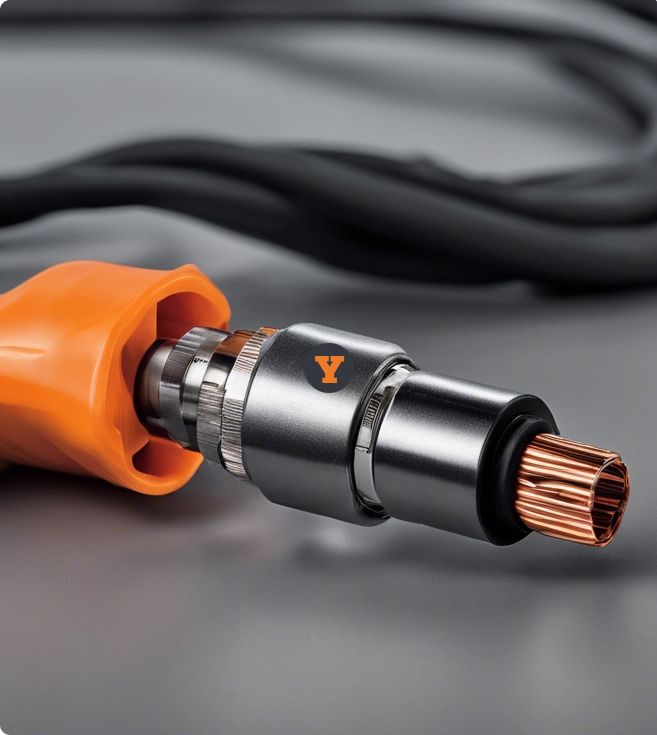
M Type Brass Cable Gland vs NPT Type Brass Cable Gland: Which One Should You Choose?
Selecting the correct cable gland is essential for ensuring the safety, reliability, and longevity of electrical installations. Among the most commonly specified options in industrial projects are M Type Brass Cable Glands and NPT Type Brass Cable Glands. While both are designed to secure and protect cables entering electrical equipment, they differ significantly in thread standards, installation requirements, regional preferences, and application suitability.
For procurement managers, engineers, panel builders, and project contractors, understanding these differences is critical. Choosing the wrong thread type can lead to installation delays, compatibility issues, increased maintenance costs, and even equipment downtime.
This guide provides a detailed comparison between M Type Brass Cable Glands and NPT Type Brass Cable Glands, helping buyers make informed decisions for their projects.

Understanding the Role of Brass Cable Glands
Before comparing thread types, it is important to understand the primary functions of a cable gland.
A cable gland serves several purposes:
Secures cables entering an enclosure
Provides strain relief
Maintains ingress protection
Prevents dust and water penetration
Protects cables from mechanical stress
Enhances safety and reliability
Brass cable glands are particularly popular because they offer:
Excellent mechanical strength
Good corrosion resistance
Long service life
Cost-effective performance
Compatibility with industrial environments
The main difference between M Type and NPT Type cable glands lies in the thread design.
What Is an M Type Brass Cable Gland?
An M Type Brass Cable Gland uses metric threads based on international metric standards.
The "M" designation refers to metric thread sizing.
Examples include:
The thread diameter is measured in millimeters.
For example:
Metric cable glands have become the dominant standard across much of the world.
Key Features of M Type Brass Cable Glands
Standardized Metric Sizing
Metric threads follow internationally recognized standards, making them widely compatible with modern industrial equipment.
Benefits include:
Straight Thread Design
M Type cable glands utilize parallel threads.
Sealing is typically achieved through:
O-rings
Gaskets
Compression seals
This design provides reliable ingress protection when properly installed.
Broad Equipment Compatibility
Many modern electrical enclosures and equipment manufacturers use metric cable entry holes as standard.
Common applications include:
What Is an NPT Type Brass Cable Gland?
NPT stands for National Pipe Thread.
It is a thread standard widely used in North America and some international industries.
Common NPT sizes include:
1/2" NPT
3/4" NPT
1" NPT
1-1/4" NPT
1-1/2" NPT
2" NPT
Unlike metric threads, NPT threads are measured in inches.
Key Features of NPT Type Brass Cable Glands
Tapered Thread Construction
One of the most important differences is that NPT threads are tapered.
As the gland is tightened:
The threads compress together
A mechanical seal is created
Thread engagement increases
This design helps prevent leakage and loosening in many applications.
Strong North American Adoption
NPT threads are commonly specified in:
United States projects
Canadian industrial facilities
Oil and gas installations
Petrochemical plants
Heavy industrial applications
Many North American electrical enclosures are manufactured specifically for NPT fittings.
Robust Mechanical Connection
The tapered thread design provides excellent mechanical engagement.
Advantages include:
M Type vs NPT Type Brass Cable Gland: Major Differences
1. Thread Standard
M Type
Examples:
NPT Type
Examples:
Winner
Neither is universally better.
The correct choice depends entirely on the enclosure thread specification.
2. Thread Shape
M Type
Advantages:
NPT Type
Advantages:
Winner
For vibration-intensive environments, NPT often provides additional mechanical security.
3. Regional Usage
M Type
Most common in:
Europe
Asia
Middle East
Australia
Africa
Widely used in:
NPT Type
Most common in:
Widely used in:
NEC-compliant systems
North American equipment
Winner
Depends on project location and equipment origin.
4. Installation Convenience
M Type
Advantages:
NPT Type
Advantages:
Challenges:
Winner
M Type generally offers simpler installation.
5. Inventory Management
For multinational companies operating across multiple regions, inventory standardization is important.
M Type Benefits
Global availability
Simplified sourcing
Easier procurement
NPT Benefits
Winner
Metric glands often provide better global standardization.
Which Industries Prefer M Type Brass Cable Glands?
M Type cable glands are frequently used in:
Manufacturing Facilities
Commonly found in:
Production lines
Robotics
Packaging machinery
Automated systems
Renewable Energy Projects
Including:
Solar power plants
Wind turbines
Energy storage systems
Water Treatment Plants
Where international equipment suppliers frequently utilize metric standards.
Building Electrical Systems
Including:
Commercial buildings
Infrastructure projects
Transportation systems
Which Industries Prefer NPT Type Brass Cable Glands?
NPT cable glands are commonly used in:
Oil and Gas Facilities
Especially in North American projects.
Applications include:
Refineries
Pipelines
Drilling operations
Petrochemical plants
Mining Operations
Heavy-duty environments often specify NPT threaded equipment.
Power Generation Plants
Particularly facilities designed to North American standards.
Industrial Processing Facilities
Where NPT-threaded equipment is already installed.
Common Procurement Mistakes to Avoid
Ordering Based Solely on Cable Size
Many buyers focus only on cable diameter.
However, thread compatibility is equally important.
Always verify:
Mixing Thread Standards
One of the most common project issues occurs when:
Consequences include:
Always confirm thread standards before placing orders.
Ignoring Future Maintenance Requirements
Using non-standard thread types may create future sourcing challenges.
Organizations should consider:
How to Choose Between M Type and NPT Type Brass Cable Glands
Choose M Type Brass Cable Glands if:
Your equipment uses metric entries
The project follows IEC standards
You operate internationally
Standardization is a priority
Most equipment originates from Europe or Asia
Choose NPT Type Brass Cable Glands if:
Equipment uses NPT threaded entries
The project follows North American standards
You operate primarily in the United States or Canada
Existing infrastructure uses NPT connections
The most important rule is simple:
Always match the cable gland thread type to the enclosure or equipment thread specification.
Selecting the wrong thread standard can create installation issues that compromise project schedules and increase operational costs.
Conclusion
Both M Type Brass Cable Glands and NPT Type Brass Cable Glands provide reliable cable protection, strain relief, and environmental sealing. Neither is inherently superior; the right choice depends on equipment compatibility, regional standards, and project requirements.
M Type glands offer excellent global standardization and are widely used across international industrial projects. NPT Type glands remain the preferred choice for many North American industries, particularly oil and gas, power generation, and heavy industrial facilities.
By understanding the differences in thread design, installation requirements, and application suitability, buyers can avoid costly mistakes and ensure long-term reliability in their electrical systems.
For industrial projects requiring dependable cable connection solutions, YDT offers a comprehensive range of high-quality brass cable glands in both M Type and NPT Type configurations, helping customers achieve safe, reliable, and efficient cable management across diverse applications.