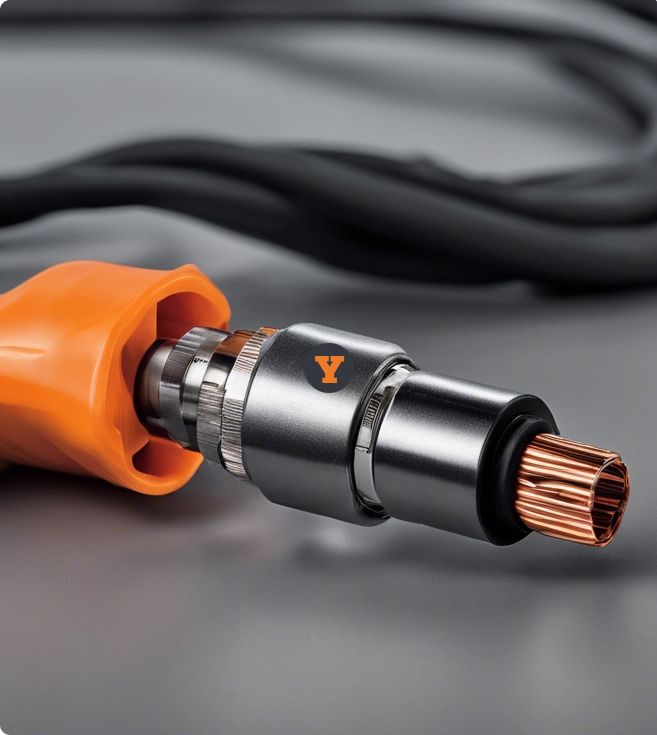
M Type Brass Cable Gland vs NPT Type Brass Cable Gland: Understanding the Differences and Choosing the Right Solution
In the world of industrial electrical installations, cable glands play a critical role in ensuring reliable, safe, and long-lasting connections. Among the most commonly used types are M type brass cable glands and NPT type brass cable glands. While both are designed to secure and protect cables, their specifications, installation requirements, and applications differ significantly. This guide provides a comprehensive comparison to help engineers, procurement managers, and maintenance professionals make informed decisions.

A cable gland is a device that connects, secures, and protects the end of an electrical cable to a piece of equipment or an enclosure. Cable glands provide mechanical support, strain relief, and environmental protection, preventing dust, moisture, and corrosive substances from entering sensitive equipment.
Brass cable glands are particularly popular in industrial settings due to their corrosion resistance, durability, and excellent conductivity. They are commonly used in automation systems, power distribution units, control panels, and hazardous environments where high reliability is required.
M Type Brass Cable Glands: Key Features
M type brass cable glands, also known as metric thread glands, follow the metric thread standards commonly used in Europe, Asia, and many other regions. Key features include:
Thread Standard: Metric threads (M) are measured in millimeters, typically conforming to ISO metric standards. This makes them compatible with equipment designed for metric-threaded holes.
Material: High-quality brass, often nickel-plated for corrosion resistance.
Sealing and Protection: M type glands provide excellent sealing against dust and water when paired with appropriate O-rings or sealing washers.
Application: Suitable for industrial control panels, automation equipment, and general-purpose enclosures where metric threads are standard.
Installation: Requires compatible metric-threaded holes and tools for proper torque application.
Advantages of M Type Brass Cable Glands:
Precision fit for metric-threaded equipment
Easy integration in equipment manufactured to ISO or European standards
Reliable environmental protection with proper sealing
NPT type brass cable glands follow the National Pipe Thread (NPT) standard, widely used in North America and other regions influenced by U.S. industrial standards. Key characteristics include:
Thread Standard: NPT threads are tapered and measured in inches. The taper creates a tight seal as the thread is engaged, helping to prevent leaks.
Material: Made from high-quality brass with optional nickel plating for enhanced corrosion resistance.
Sealing and Protection: The tapered NPT threads provide both mechanical hold and a degree of sealing, often enhanced with thread tape or sealant for higher-pressure environments.
Application: Common in oil & gas, chemical, and heavy industrial equipment, especially where ANSI/NEMA standards are followed.
Installation: Requires precise engagement of tapered threads and often uses thread sealants to ensure proper sealing.
Advantages of NPT Type Brass Cable Glands:
Widely compatible with North American industrial equipment
Self-sealing threads reduce dependence on external sealing components
Robust and durable for high-pressure or hazardous environments
Comparing M Type and NPT Type Brass Cable Glands
| Feature | M Type Brass Cable Gland | NPT Type Brass Cable Gland |
|---|
| Thread Standard | Metric (ISO), measured in mm | Tapered (NPT), measured in inches |
| Sealing Method | O-ring, sealing washer | Tapered threads with optional thread sealant |
| Common Regions | Europe, Asia, Latin America | North America, Middle East |
| Equipment Compatibility | Metric-threaded enclosures | NPT-threaded enclosures and conduit systems |
| Installation | Requires metric-threaded holes and torque control | Requires tapered engagement, thread sealant recommended |
| Typical Applications | Automation panels, control boxes, general industrial use | Oil & gas, chemical plants, heavy industrial, hazardous environments |
| Advantages | Precision fit, ISO standard compliance, easy integration | Self-sealing threads, high-pressure tolerance, widespread compatibility in NPT regions |
How to Choose Between M Type and NPT Type Brass Cable Glands
Selecting the correct cable gland type is crucial for safety, reliability, and regulatory compliance. Consider the following factors:
Equipment Thread Standard: Verify whether the enclosure or panel uses metric threads or NPT threads. Using the wrong thread type can lead to poor sealing, mechanical failure, or even safety hazards.
Environmental Requirements: Consider exposure to water, dust, chemicals, or extreme temperatures. Ensure the cable gland provides the appropriate IP (Ingress Protection) rating and corrosion resistance.
Installation Ease: M type glands are often easier to torque correctly due to standardized metric fittings, whereas NPT glands may require thread sealants and careful engagement.
Industry Standards: Certain industries mandate specific thread types; for example, oil & gas often require NPT threads, while European automation systems favor metric threads.
Maintenance and Replacement: Consider how easy it is to replace or maintain the gland. Tapered NPT threads may require more care during repeated removal and installation.
Common Mistakes and Best Practices
Mistakes to Avoid:
Using an M type gland on an NPT-threaded enclosure or vice versa.
Over-tightening, which can strip threads or damage seals.
Ignoring environmental requirements and using a low-IP-rated gland in a wet or corrosive environment.
Failing to use proper sealing compounds on NPT threaded glands for high-pressure or hazardous applications.
Best Practices:
Always check thread compatibility before purchase.
Match IP rating and material choice to the application environment.
Use certified and tested cable glands to ensure explosion-proof or hazardous area compliance if required.
Work with reliable suppliers who can provide technical support and custom solutions for your industrial needs.
Applications Across Industries
Both M type and NPT type brass cable glands are widely used across multiple industries:
Industrial Automation: Protect cables entering control panels, PLCs, and sensors.
Oil & Gas: Secure and seal cables in hazardous locations, ensuring compliance with explosion-proof standards.
Chemical Plants: Protect wiring from corrosive chemicals, acids, and alkalis.
Power Generation: Ensure reliable cable entry in power stations and substations.
Marine and Offshore: Withstand harsh saline environments and extreme weather conditions.
By understanding the differences and applications of M type vs NPT type brass cable glands, engineers and procurement teams can make informed decisions, reduce installation errors, and ensure long-term operational reliability.
Conclusion
Choosing the right cable gland is essential for industrial safety, equipment longevity, and operational efficiency. M type brass cable glands are ideal for metric-threaded systems commonly found in Europe and Asia, while NPT type brass cable glands are better suited for North American industrial standards and tapered-thread applications.
Proper selection, installation, and maintenance of cable glands not only protect electrical systems but also reduce downtime and increase reliability in critical environments.
Ensure high-quality, reliable, and certified cable protection solutions with YDT. Explore our range of M type and NPT type brass cable glands designed to meet the most demanding industrial standards.