In modern industrial facilities, downtime is one of the most expensive challenges companies face. Whether in oil and gas plants, chemical processing facilities, marine installations, renewable energy projects, mining operations, or manufacturing plants, even a short interruption can result in significant production losses, safety risks, delayed deliveries, and increased maintenance costs.
While many organizations focus on major equipment such as motors, control systems, pumps, and switchgear when trying to improve reliability, smaller components are often overlooked. One such component is the stainless steel cable gland.
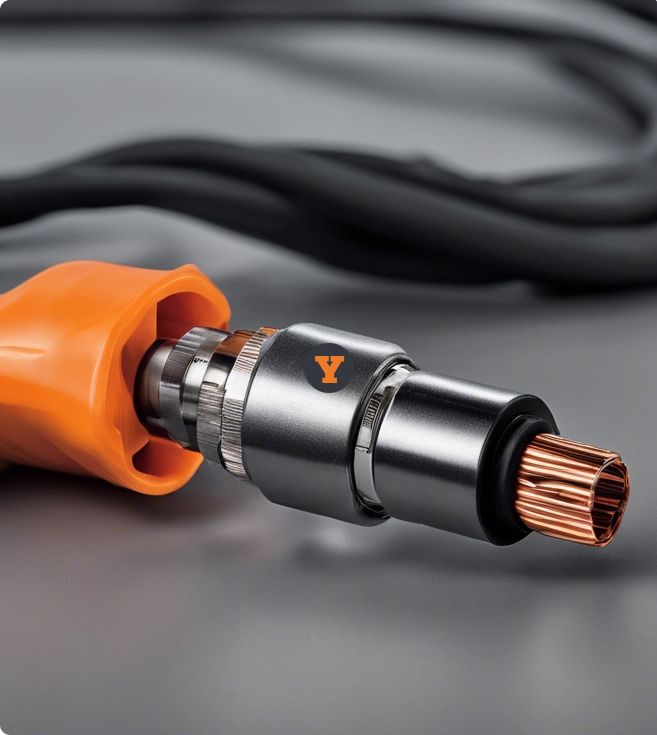
A cable gland may seem like a simple accessory, but it plays a critical role in protecting electrical systems from moisture, dust, vibration, corrosion, and mechanical stress. Choosing the wrong cable gland can lead to cable failures, electrical faults, water ingress, equipment shutdowns, and costly maintenance interventions. Conversely, selecting the right stainless steel cable gland can significantly reduce downtime and improve long-term operational reliability.
This article explores how stainless steel cable glands contribute to system uptime, common causes of cable gland-related failures, and the key factors buyers should consider when selecting the right solution for industrial projects.

Why Cable Glands Have a Direct Impact on Downtime
A cable gland serves several important functions:
Securing cables mechanically
Maintaining enclosure integrity
Providing environmental sealing
Protecting cables from tension and vibration
Preventing dust and water ingress
Ensuring safe cable entry into equipment
When cable glands fail, the consequences can be severe:
Electrical short circuits
Corrosion inside control panels
Sensor failures
Communication interruptions
Motor shutdowns
Production stoppages
Increased maintenance requirements
In harsh industrial environments, cable entry points are often the most vulnerable locations in an electrical system. A poorly selected gland can become the weak link that compromises the reliability of an entire operation.
The Hidden Costs of Downtime
Before discussing product selection, it is important to understand the true cost of downtime.
Direct costs include:
Indirect costs often include:
For large industrial facilities, downtime can cost thousands or even millions of dollars per hour. Therefore, investing in reliable cable management components is often one of the most cost-effective methods for improving operational continuity.
Why Stainless Steel Cable Glands Outperform Standard Alternatives
Many installations still use brass, nickel-plated brass, aluminum, or plastic cable glands. While these materials may be suitable for light-duty applications, they often struggle in demanding environments.
Stainless steel cable glands offer several advantages that directly contribute to reduced downtime.
Superior Corrosion Resistance
Corrosion is one of the leading causes of cable gland failure.
Industrial environments frequently expose equipment to:
Saltwater
Humidity
Chemical vapors
Cleaning agents
Industrial pollutants
Stainless steel resists corrosion far better than many alternative materials. This helps maintain sealing performance and structural integrity over extended service periods.
Industries that particularly benefit include:
Exceptional Mechanical Strength
Industrial cables are often subjected to:
Inferior cable glands can loosen, crack, or deform under these conditions.
Stainless steel provides excellent mechanical durability, helping maintain secure cable retention and reducing the likelihood of unexpected failures.
High Temperature Resistance
Many industrial applications involve elevated temperatures.
Examples include:
Power generation plants
Steel manufacturing
Petrochemical facilities
Industrial furnaces
Plastic cable glands may soften or degrade under heat exposure. Stainless steel maintains its mechanical properties across a broad temperature range, helping ensure reliable performance in extreme conditions.
Long-Term Reliability
The longer a component lasts, the fewer maintenance interventions are required.
Stainless steel cable glands typically provide:
Extended service life
Lower replacement frequency
Reduced maintenance requirements
Improved system reliability
These benefits directly contribute to lower operational downtime throughout the equipment lifecycle.
Common Causes of Cable Gland Failure
Understanding common failure modes can help buyers avoid costly mistakes.
Incorrect Material Selection
One of the most common errors is choosing a material that cannot withstand the operating environment.
For example:
Plastic glands in outdoor environments
Brass glands in highly corrosive areas
Standard materials in chemical processing plants
Premature corrosion or material degradation often leads to sealing failure and equipment shutdowns.
Inadequate IP Protection
Ingress protection is critical for electrical reliability.
If the cable gland cannot provide sufficient sealing performance, contaminants may enter the enclosure.
Potential consequences include:
Moisture accumulation
Corrosion
Electrical tracking
Short circuits
Instrument failure
For demanding environments, buyers should typically consider cable glands with high ingress protection ratings.
Improper Cable Compatibility
A cable gland must match the cable's:
Diameter
Construction
Jacket material
Armoring requirements
Using an incorrectly sized gland can result in:
Poor sealing
Cable damage
Reduced strain relief
Water ingress
Proper sizing is essential for long-term reliability.
Vibration-Induced Loosening
Facilities with rotating equipment often experience continuous vibration.
Common examples include:
Pumps
Compressors
Generators
Crushers
Conveyors
Without adequate retention capability, cable glands may loosen over time, eventually causing system failures.
High-quality stainless steel cable glands help minimize this risk.
Key Factors to Consider When Choosing Stainless Steel Cable Glands
Evaluate the Operating Environment
The first step is understanding the conditions the gland will face.
Questions to consider include:
Is the installation indoor or outdoor?
Will it be exposed to chemicals?
Is saltwater present?
Are there extreme temperatures?
Is heavy vibration expected?
Are washdown procedures used?
The answers determine the appropriate material grade and sealing requirements.
Choose the Correct Stainless Steel Grade
Not all stainless steel grades provide the same performance.
304 Stainless Steel
Suitable for:
Advantages:
316 Stainless Steel
Recommended for:
Advantages:
Enhanced corrosion resistance
Improved resistance to chlorides
Longer service life in aggressive environments
Selecting the proper grade helps prevent premature failures that lead to downtime.
Verify Sealing Performance
Environmental sealing is one of the most important selection criteria.
Look for cable glands designed to provide protection against:
Dust
Water
Oil
Industrial contaminants
Effective sealing protects sensitive electrical equipment and minimizes the likelihood of unexpected outages.
Ensure Proper Strain Relief
Mechanical stress can damage cables over time.
A quality cable gland should provide reliable strain relief to:
This becomes especially important for mobile equipment and vibration-prone installations.
Consider Hazardous Area Requirements
Certain industries operate in potentially explosive atmospheres.
Examples include:
These applications often require specialized cable glands designed for hazardous environments.
Using inappropriate products can increase both safety risks and operational disruptions.
Verify Compatibility with Armored Cables
Many industrial projects utilize armored cables for enhanced mechanical protection.
In these applications, buyers should ensure the selected gland is compatible with:
Steel wire armored cables
Steel tape armored cables
Other armored cable constructions
Proper armor termination is essential for maintaining electrical safety and system reliability.
Industry Applications Where Downtime Prevention Is Critical
Oil and Gas Facilities
Unplanned shutdowns can have enormous financial consequences.
Stainless steel cable glands help protect systems from:
Corrosive chemicals
Offshore environments
Extreme weather
Vibration
Renewable Energy Projects
Wind farms and solar facilities require long-term reliability with minimal maintenance.
Cable glands must withstand:
UV exposure
Temperature fluctuations
Moisture
Outdoor conditions
Reliable cable protection supports continuous power generation.
Marine and Offshore Installations
Marine environments are among the harshest operating conditions.
Challenges include:
Salt spray
Humidity
Constant vibration
Corrosion
316 stainless steel cable glands are often preferred because of their superior resistance to these factors.
Manufacturing Plants
Production lines depend on uninterrupted electrical and control system performance.
Reliable cable glands help prevent:
Chemical Processing Facilities
Chemical exposure can quickly degrade unsuitable materials.
Stainless steel cable glands provide enhanced protection against aggressive industrial environments, helping reduce maintenance requirements and improve system uptime.
Best Practices for Maximizing Reliability
Even the best cable gland cannot perform effectively if installed incorrectly.
Organizations should implement the following practices:
Follow Manufacturer Installation Guidelines
Improper installation is a common cause of failure.
Ensure technicians:
Use correct tightening torque
Follow sealing instructions
Verify cable compatibility
Inspect completed installations
Conduct Regular Inspections
Periodic inspections help identify issues before they become failures.
Check for:
Corrosion
Mechanical damage
Loose fittings
Seal degradation
Cable movement
Preventive maintenance is far less expensive than emergency repairs.
Standardize High-Quality Components
Many facilities use multiple cable gland types from different suppliers.
Standardization can provide:
Conclusion
Reducing downtime requires attention to every component within an electrical system, including those that are often overlooked. Stainless steel cable glands play a critical role in protecting cables, maintaining enclosure integrity, and ensuring reliable operation in demanding industrial environments.
By selecting the correct stainless steel grade, verifying sealing performance, ensuring cable compatibility, and considering environmental conditions, organizations can significantly reduce equipment failures and maintenance interruptions. The result is greater operational reliability, lower lifecycle costs, and improved productivity.
For industrial buyers seeking dependable cable management solutions that support long-term uptime, YDT provides high-quality stainless steel cable glands engineered for demanding applications, helping businesses improve reliability, enhance safety, and reduce costly downtime across critical operations.