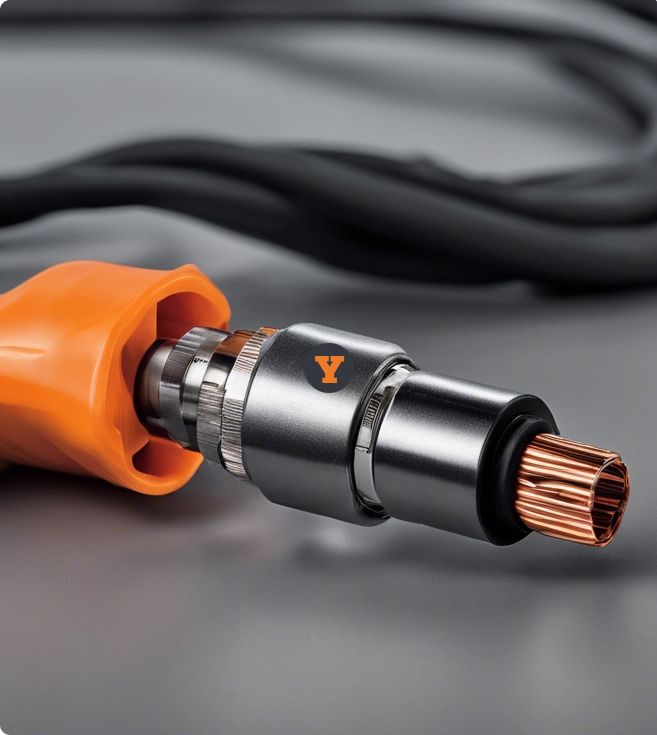
Explosion proof cable glands are critical safety components used to maintain the integrity of electrical systems installed in hazardous locations. While they may appear to be simple cable entry accessories, selecting the wrong cable gland can compromise enclosure protection, invalidate hazardous area certification, increase maintenance costs, and most importantly, create potential ignition risks.
Whether you are designing a new industrial facility or upgrading existing equipment, understanding how to choose the correct explosion proof cable gland is essential for ensuring compliance, operational reliability, and personnel safety.
This guide explains every major selection factor—from hazardous area classifications to cable types, material selection, sealing methods, certifications, environmental conditions, and installation best practices—helping engineers and procurement professionals make informed decisions.

Why Explosion Proof Cable Glands Matter
Hazardous environments contain flammable gases, vapors, dust, or fibers that can ignite when exposed to electrical sparks or excessive temperatures.
Explosion proof cable glands perform several critical functions simultaneously:
Prevent explosive gases from entering electrical enclosures
Stop flame propagation during an internal explosion
Maintain enclosure IP protection
Provide mechanical cable retention
Prevent cable movement caused by vibration
Protect cable insulation from damage
Maintain electrical grounding continuity where required
Without the proper cable gland, even certified explosion proof equipment may lose its protection level.
Step 1: Identify the Hazardous Area Classification
The first step is understanding where the cable gland will be installed.
Different countries use different hazardous area classification systems.
IECEx / ATEX Zones
These standards divide hazardous locations into zones based on the likelihood of explosive atmospheres.
Gas Hazard Areas
| Zone | Description |
|---|
| Zone 0 | Explosive gas atmosphere continuously present |
| Zone 1 | Explosive atmosphere likely during normal operation |
| Zone 2 | Explosive atmosphere unlikely or only short duration |
Dust Hazard Areas
| Zone | Description |
|---|
| Zone 20 | Combustible dust continuously present |
| Zone 21 | Dust occasionally present |
| Zone 22 | Dust rarely present |
Higher-risk zones require cable glands with higher protection levels and stricter certification.
Step 2: Understand the Equipment Protection Concept
Not all explosion proof cable glands are designed using the same protection principle.
Common protection types include:
Ex d (Flameproof)
Most commonly used in:
Oil & gas
Refineries
Petrochemical plants
Offshore platforms
These glands prevent flames generated inside equipment from escaping into the surrounding atmosphere.
Ideal for:
Motors
Junction boxes
Control panels
Switchgear
Ex e (Increased Safety)
Ex e glands prevent arcs, sparks, and excessive temperatures.
They are commonly installed on:
Terminal boxes
Instrumentation
Lighting fixtures
Control cabinets
Ex t (Dust Protection)
Designed specifically for combustible dust environments including:
Step 3: Choose the Correct Cable Type
Cable construction directly affects gland selection.
Armoured Cable
Examples include:
These cables require glands capable of:
Armour clamping
Earth continuity
Mechanical retention
Dual sealing
Typical applications:
Heavy industry
Mining
Offshore
Utilities
Unarmoured Cable
These glands primarily provide:
Environmental sealing
Strain relief
IP protection
Common in:
Instrumentation
Control systems
Automation equipment
Braided Cable
Braided cables often require special grounding arrangements and compatible gland designs.
Always verify manufacturer recommendations before selection.
Step 4: Match the Cable Diameter
One of the most common installation mistakes is selecting a gland with an incorrect sealing range.
Measure:
Never estimate cable size from nominal specifications alone.
Most manufacturers provide:
Minimum sealing diameter
Maximum sealing diameter
Choose a gland where the actual cable diameter falls comfortably within the sealing range rather than at the extreme limits.
Step 5: Select the Appropriate Material
Material selection depends largely on environmental conditions.
Nickel-Plated Brass
Advantages:
Excellent mechanical strength
Good corrosion resistance
Cost-effective
Widely accepted in industrial applications
Typical industries:
Manufacturing
Water treatment
Utilities
Chemical processing
Stainless Steel
Recommended for:
Offshore platforms
Marine environments
Coastal installations
Chemical plants
Food processing
Benefits include:
Superior corrosion resistance
Long service life
High mechanical durability
Excellent resistance to aggressive chemicals
Aluminum
Suitable where lightweight construction is important.
Often used in:
Plastic
Generally used only in non-hazardous industrial environments unless specifically certified.
Step 6: Check Environmental Conditions
Hazardous location classification alone is not enough.
Also consider environmental exposure.
Important factors include:
Temperature
Verify operating temperature ranges.
Extreme temperatures may require:
Silicone seals
Fluorocarbon seals
Special elastomers
UV Exposure
Outdoor installations require UV-resistant materials to prevent seal degradation.
Corrosive Chemicals
Consider exposure to:
Acids
Alkalis
Salt spray
Solvents
Cleaning chemicals
Material compatibility is essential.
Mechanical Impact
High-vibration environments such as:
Compressors
Pumps
Marine engines
Mining equipment
may require reinforced cable glands with enhanced locking systems.
Step 7: Verify IP Protection Requirements
Explosion protection and ingress protection are different requirements.
Most industrial projects specify:
Higher IP ratings provide improved protection against:
Water ingress
Dust
Mud
High-pressure washdown
Always ensure the cable gland maintains the same or higher IP rating as the enclosure.
Step 8: Confirm International Certifications
Certification is one of the most important purchasing considerations.
Depending on project location, verify compliance with:
IECEx
ATEX
UKEX
UL
CSA
CCC Ex
INMETRO
EAC Ex
Never assume one certification automatically satisfies another country's regulations.
International projects often require multiple certifications.
Step 9: Consider Installation Requirements
Installation efficiency affects project costs.
Look for features such as:
Easy assembly
Clearly marked tightening torque
Reliable compression seals
Simplified armour clamping
Reduced installation steps
Incorrect installation can negate even the highest-quality cable gland.
Following manufacturer torque specifications is essential.
Common Selection Mistakes
Many procurement teams focus only on thread size.
However, improper selection often results from overlooking other critical factors.
Common mistakes include:
Choosing by Thread Size Alone
Cable diameter, sealing range, armour size, and certification are equally important.
Ignoring Cable Construction
Using glands intended for unarmoured cables on armoured cables can eliminate grounding continuity.
Selecting Low-Cost Materials
In corrosive environments, replacing failed cable glands often costs far more than selecting higher-grade materials initially.
Ignoring Temperature Ratings
Standard seals may fail under extreme heat or freezing conditions.
Overlooking Certification Requirements
Projects may fail inspection if cable glands lack the required approvals.
Industry-Specific Selection Recommendations
Oil & Gas
Recommended features:
Chemical Plants
Prioritize:
Offshore Platforms
Recommended:
Marine-grade stainless steel
Salt spray resistance
High vibration performance
Long maintenance intervals
Mining
Focus on:
Heavy-duty construction
Impact resistance
Dust protection
Mechanical durability
Food & Beverage
Consider:
Hygienic materials
Corrosion resistance
Washdown capability
Smooth surface finish
Questions to Ask Before Purchasing
Before placing an order, procurement engineers should confirm:
Which hazardous area classification applies?
Is the cable armoured or unarmoured?
What is the exact cable diameter?
What thread type is required?
Which protection concept is needed?
Which certifications are mandatory?
What environmental conditions will the gland face?
What IP rating is required?
What material offers the longest service life?
Is grounding continuity required?
Answering these questions significantly reduces installation risks and project delays.
Final Thoughts
Choosing the right explosion proof cable gland involves far more than matching a cable diameter or thread size. A complete evaluation should consider hazardous area classification, explosion protection type, cable construction, material compatibility, environmental exposure, ingress protection, certification requirements, and installation practices.
A carefully selected cable gland not only ensures regulatory compliance but also improves equipment reliability, reduces maintenance costs, extends service life, and enhances overall plant safety. For engineers and procurement professionals working in hazardous environments, investing time in proper selection is one of the most effective ways to protect both personnel and critical electrical infrastructure.
Need Reliable Explosion Proof Cable Gland Solutions?
Whether you're designing a new hazardous-area electrical system or sourcing certified cable glands for industrial projects, YDT provides dependable solutions engineered for demanding environments. Our explosion proof cable glands are available in a wide range of materials, thread types, sealing configurations, and international certifications to meet the requirements of oil & gas, petrochemical, marine, mining, power generation, and industrial automation applications.
Contact YDT today to discuss your project requirements, request technical support, or receive a customized recommendation from our experienced engineering team.