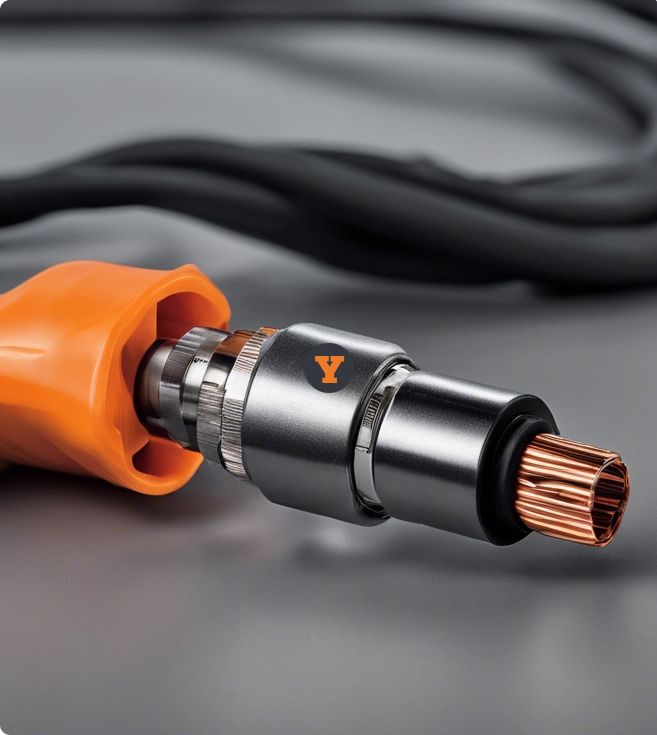
Temperature-resistant stainless steel cable glands are not just accessories; they are critical protective elements that directly influence equipment lifespan, operational stability, and maintenance costs.
This article explores in depth how temperature-resistant stainless steel cable glands extend equipment lifetime, what technical factors matter most, and how to select the right solution for high-temperature or fluctuating environments.

1. The Hidden Impact of Temperature on Industrial Systems
Temperature affects nearly every component in an electrical or mechanical system. In cable entry points, the impact is particularly severe because multiple materials interact in a confined space.
1.1 Thermal Expansion and Contraction
Different materials expand and contract at different rates when exposed to temperature changes. In cable glands, this includes:
If not properly designed, thermal cycling can lead to:
1.2 Material Degradation
High temperatures accelerate:
Low temperatures can cause:
Both extremes compromise sealing performance and mechanical integrity.
1.3 Increased Risk of Failure Points
Cable entry points are natural weak spots. Under thermal stress, they become:
Entry paths for moisture and dust
Locations for insulation breakdown
Sources of electrical faults
2. Why Stainless Steel Is Critical for Temperature Resistance
2.1 Superior Thermal Stability
Stainless steel maintains structural integrity across a wide temperature range:
Compared to plastic or brass alternatives, stainless steel provides:
2.2 Corrosion Resistance at Elevated Temperatures
In high-temperature environments, corrosion often accelerates—especially when combined with:
Humidity
Chemicals
Salt exposure
SS316, in particular, offers:
2.3 Mechanical Strength Under Stress
Temperature fluctuations often coincide with:
Vibration
Pressure changes
Stainless steel maintains:
Thread integrity
Clamping force
Structural reliability
3. The Role of Temperature-Resistant Sealing Systems
While the metal body provides structure, the sealing system determines whether the gland can maintain protection.
3.1 High-Performance Elastomers
Standard seals may fail under temperature extremes. Temperature-resistant cable glands use advanced materials such as:
Silicone rubber: Excellent high and low temperature performance
Fluoroelastomers (FKM/Viton): مقا chemical and heat resistance
EPDM: Good resistance to weathering and steam
These materials maintain:
Elasticity
Compression force
Sealing performance
3.2 Multi-Layer Sealing Design
Advanced cable glands often incorporate:
This redundancy ensures:
3.3 Resistance to Thermal Cycling
Repeated heating and cooling cycles are more damaging than constant temperature. High-quality seals are designed to:
4. Key Benefits for Equipment Lifetime
4.1 Maintaining Ingress Protection Over Time
Temperature-resistant glands prevent:
Water ingress
Dust contamination
Chemical penetration
This protects internal components such as:
Circuit boards
Sensors
Terminals
4.2 Reducing Maintenance Frequency
Failures at cable entry points often require:
System shutdown
Component replacement
Labor-intensive repairs
By maintaining sealing integrity, temperature-resistant glands:
4.3 Preventing Electrical Failures
Moisture ingress combined with temperature variation can cause:
Short circuits
Insulation breakdown
Signal interference
Reliable sealing ensures stable electrical performance.
4.4 Extending Cable Lifespan
Thermal stress can damage cables through:
Insulation degradation
Mechanical strain
Properly designed glands provide:
4.5 Improving System Reliability in Critical Applications
In industries such as:
Oil & gas
Marine
Power generation
Food processing
Equipment failure is not just costly—it can be dangerous. Temperature-resistant cable glands contribute to:
5. Typical High-Temperature Application Scenarios
5.1 Industrial Furnaces and Heat Processing
5.2 Outdoor Installations
5.3 Marine and Offshore Environments
5.4 Chemical and Petrochemical Plants
5.5 Renewable Energy Systems
6. How to Select the Right Temperature-Resistant Cable Gland
6.1 Define Operating Temperature Range
6.2 Choose Appropriate Stainless Steel Grade
SS304: Moderate environments
SS316: Harsh, high-temperature, or corrosive conditions
6.3 Select Seal Material Based on Conditions
| Environment | Recommended Seal Material |
|---|
| High heat | Silicone / FKM |
| Chemical exposure | FKM |
| Outdoor/weather | EPDM |
6.4 Verify IP Rating
Ensure the gland maintains required protection under temperature stress:
6.5 Check Certification Requirements
Depending on application:
6.6 Evaluate Installation and Maintenance Needs
7. Common Mistakes to Avoid
7.1 Using Standard Glands in High-Temperature Environments
Leads to rapid seal degradation and failure.
7.2 Ignoring Thermal Cycling Effects
Even moderate temperatures can cause failure over time if cycles are frequent.
7.3 Choosing Incorrect Seal Materials
Not all elastomers perform equally under heat.
7.4 Overlooking Cable Compatibility
Mismatch between cable and gland reduces effectiveness.
7.5 Focusing Only on Initial Cost
Low-cost solutions often result in higher lifecycle costs.
8. Long-Term Cost Advantages
Although temperature-resistant stainless steel cable glands may have a higher upfront cost, they deliver significant long-term savings:
In critical systems, the return on investment is substantial.
9. Future Trends in High-Temperature Cable Gland Design
Advanced sealing materials with wider temperature ranges
Improved multi-layer sealing technologies
Integration with smart monitoring systems
Higher global standardization
These developments will further enhance durability and performance.
10. Final Thoughts
Temperature is a silent but powerful force in industrial environments. Over time, it can degrade materials, weaken seals, and compromise system integrity—especially at cable entry points.
By investing in temperature-resistant stainless steel cable glands with properly engineered sealing systems, companies can significantly extend equipment lifetime, reduce operational risks, and improve overall system reliability.
In high-demand applications, the right cable gland is not just a component—it is a long-term safeguard for your entire system.
YDT manufactures high-performance temperature-resistant stainless steel cable glands designed to withstand extreme conditions—helping you protect critical systems, reduce maintenance costs, and ensure long-lasting operational reliability.