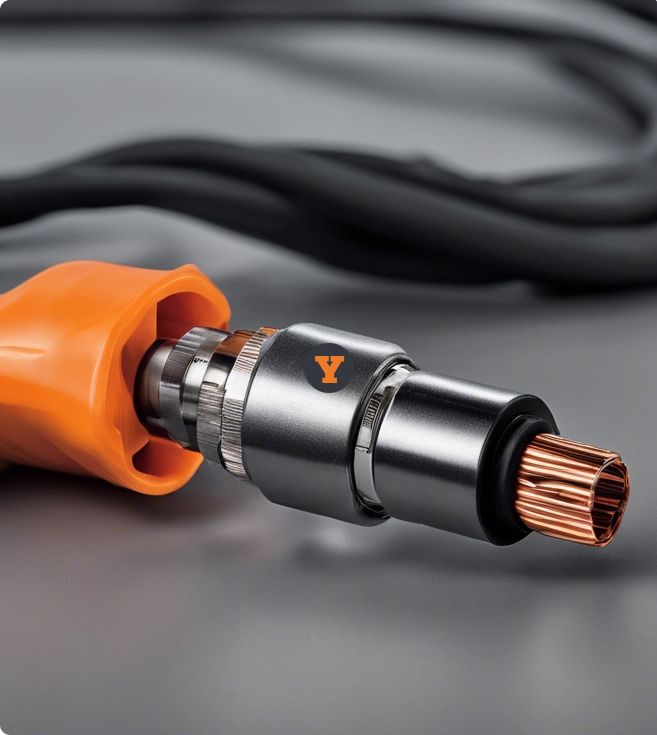
How Stainless Steel Cable Glands Solved Explosion Risk in Chemical Manufacturing Plants
In chemical manufacturing plants, safety is not just a priority—it is the foundation of every operation. Among the many risks present in these environments, explosion hazards rank as one of the most critical. Flammable gases, vapors, dust, and volatile chemicals create conditions where even a minor ignition source can lead to catastrophic consequences.
While much attention is given to large equipment such as reactors, pumps, and control systems, one often overlooked yet vital component is the cable gland. Specifically, stainless steel cable glands designed for hazardous areas have proven to be a key solution in mitigating explosion risks.
This article explores how stainless steel cable glands address explosion hazards in chemical plants, the engineering principles behind their effectiveness, and how to properly select and implement them to ensure maximum safety and compliance.

1. Understanding Explosion Risks in Chemical Plants
1.1 The Nature of Hazardous Environments
Chemical manufacturing facilities frequently handle:
Flammable gases (e.g., methane, hydrogen)
Volatile solvents (e.g., ethanol, acetone)
Combustible dust (e.g., powders, fine particles)
When these substances mix with air in certain concentrations, they form explosive atmospheres.
1.2 The Explosion Triangle
An explosion occurs when three elements are present:
Cable entry points can unintentionally contribute to the third factor if not properly protected.
1.3 Why Cable Entry Points Are High-Risk Areas
Cable glands serve as the interface between electrical equipment and external environments. If improperly designed or installed, they can:
Allow gas ingress into enclosures
Permit flame propagation between zones
Fail under pressure during an explosion
This makes them critical control points in explosion prevention strategies.
2. The Role of Stainless Steel Cable Glands in Explosion Protection
Explosion-proof cable glands are specifically engineered to eliminate or minimize ignition risks.
2.1 Flameproof (Ex d) Protection
Flameproof cable glands are designed to:
This is achieved through:
2.2 Increased Safety (Ex e) Design
Increased safety cable glands focus on:
Preventing sparks or arcs
Ensuring secure connections
Maintaining insulation integrity
These are used in areas where explosive atmospheres are less likely but still possible.
2.3 Barrier Cable Glands
Barrier glands use sealing compounds (resin) to:
This is especially critical in:
Petrochemical plants
High-pressure systems
3. Why Stainless Steel Is Essential in Hazardous Environments
3.1 Mechanical Strength Under Explosion Conditions
In the event of an internal explosion:
Stainless steel provides:
3.2 Corrosion Resistance
Chemical plants expose components to:
Acids
Alkalis
Solvents
Humid conditions
Corrosion can:
SS316 stainless steel is particularly effective in resisting such conditions.
3.3 Temperature Resistance
Explosive environments often involve:
Stainless steel maintains:
Structural stability
Thread integrity
Seal compression
4. Engineering Features That Prevent Explosions
4.1 Precision Threading and Flame Paths
Flameproof glands rely on:
This prevents:
4.2 Multi-Level Sealing Systems
Explosion-proof glands typically include:
Inner seal (around cable core)
Outer seal (environmental protection)
Barrier compound (in some designs)
This layered approach ensures:
Redundancy
Enhanced safety
4.3 Anti-Loosening Design
Vibration and thermal expansion can loosen components. High-quality glands feature:
Locking mechanisms
Compression fittings
This maintains:
Continuous sealing
Electrical safety
4.4 IP and Explosion Protection Integration
Cable glands must achieve both:
High IP ratings (e.g., IP66, IP68)
Explosion-proof certification
This dual requirement ensures:
Environmental protection
Hazard containment
5. Compliance with International Standards
5.1 ATEX Certification
Required in Europe, ATEX ensures:
5.2 IECEx Certification
Widely recognized globally, IECEx:
5.3 Zone Classification
Cable gland selection must match the hazard level:
| Zone | Description |
|---|
| Zone 0 | Continuous explosive atmosphere |
| Zone 1 | Likely during normal operation |
| Zone 2 | Occasional presence |
Incorrect selection can lead to:
Non-compliance
Increased risk
6. Real-World Problem Solving: How Cable Glands Reduce Explosion Risk
6.1 Preventing Gas Migration
Without proper sealing:
Barrier glands eliminate this pathway.
6.2 Containing Internal Explosions
If an explosion occurs inside equipment:
6.3 Maintaining Long-Term Integrity
Over time, environmental factors degrade components. Stainless steel glands:
6.4 Reducing Human Error Risks
High-quality gland designs simplify installation and reduce:
Incorrect assembly
Improper sealing
7. Selection Guidelines for Chemical Plants
7.1 Identify Hazard Classification
7.2 Choose the Right Gland Type
Ex d for flameproof protection
Ex e for increased safety
Barrier glands for gas migration prevention
7.3 Select Proper Material
7.4 Verify Certifications
7.5 Match Cable Type
7.6 Ensure Proper Installation
Even the best gland fails if installed incorrectly:
8. Common Mistakes That Increase Explosion Risk
8.1 Using Non-Certified Cable Glands
Leads to immediate compliance failure.
8.2 Ignoring Barrier Requirements
Gas migration remains a hidden risk.
8.3 Selecting Incorrect Thread Types
Causes poor sealing and mechanical instability.
8.4 Poor Installation Practices
Improper tightening or sealing compromises safety.
8.5 Neglecting Maintenance
Wear and corrosion can go unnoticed.
9. Long-Term Safety and Cost Benefits
Investing in high-quality stainless steel cable glands provides:
Reduced risk of catastrophic failure
Lower maintenance costs
Extended equipment lifespan
Improved regulatory compliance
Enhanced operational reliability
In chemical plants, these benefits translate directly into:
10. Future Trends in Explosion-Proof Cable Gland Technology
Advanced sealing compounds for barrier glands
Improved corrosion-resistant alloys
Integration with monitoring systems
Greater alignment of global certifications
These innovations will further enhance safety in hazardous environments.
11. Final Thoughts
Explosion risks in chemical manufacturing plants cannot be eliminated entirely—but they can be effectively controlled through proper engineering and component selection.
Stainless steel cable glands, when designed and applied correctly, play a crucial role in:
Preventing ignition sources
Containing explosions
Blocking hazardous gas migration
Maintaining long-term system integrity
They are not just small components—they are essential safety barriers that protect equipment, personnel, and entire facilities.
YDT delivers certified stainless steel explosion-proof cable glands engineered for chemical manufacturing environments—helping you achieve maximum safety, regulatory compliance, and long-term operational reliability in hazardous applications.