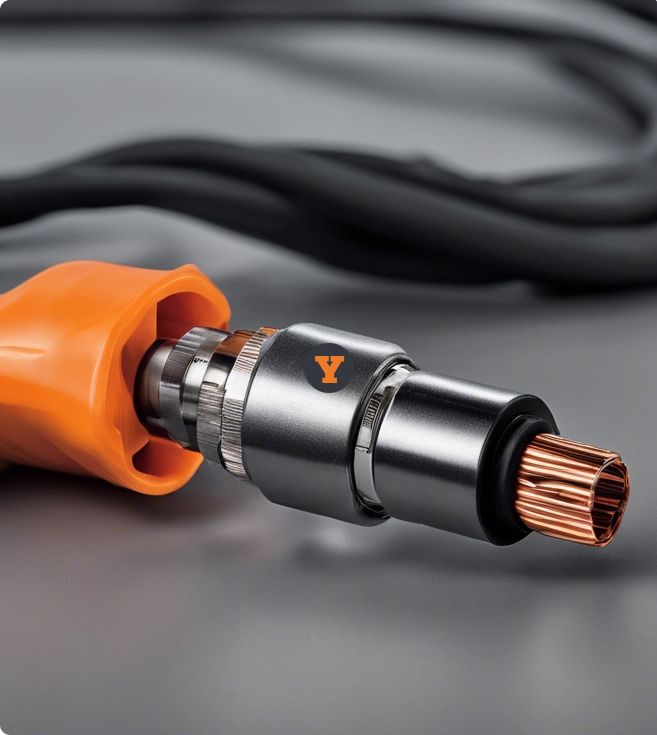
Copper Cable Gland vs Stainless Steel Cable Gland: A Complete Guide for Industrial Buyers
In modern industrial electrical systems, cable glands play a critical role in ensuring safety, reliability, and long-term performance. They are responsible for sealing cables, providing strain relief, maintaining enclosure protection ratings, and preventing dust, moisture, and chemical ingress.
Among the many materials available in the market, copper cable glands and stainless steel cable glands are two of the most widely used options for professional and industrial applications. However, many buyers, engineers, and procurement managers still face challenges when choosing between them.
This article provides a comprehensive comparison of copper and stainless steel cable glands, analyzing their performance, durability, application suitability, cost-effectiveness, and compliance standards. By the end, you will have a clear understanding of which option best fits your project requirements.
Understanding Cable Glands and Their Role in Electrical Systems
A cable gland is a mechanical device designed to attach and secure electrical cables to equipment enclosures. It performs several essential functions:
Provides mechanical retention and strain relief
Seals the cable entry point
Maintains IP-rated enclosure integrity
Protects against environmental hazards
Prevents cable pull-out and vibration damage
Ensures proper grounding and bonding
In industrial environments such as manufacturing plants, offshore platforms, power stations, and automation systems, the performance of cable glands directly affects system safety and operational stability.
Material selection is therefore a critical engineering decision.
Overview of Copper Cable Glands
Copper cable glands are typically manufactured from high-purity copper alloys or copper-based materials. In some cases, they may be tinned or surface-treated to improve corrosion resistance.
Key Characteristics of Copper Cable Glands
Copper offers several intrinsic properties that make it suitable for electrical applications:
Excellent electrical conductivity
High thermal conductivity
Good corrosion resistance in mild environments
Strong grounding performance
Natural antimicrobial properties
Because of these features, copper cable glands are often preferred in systems where electrical continuity and grounding reliability are critical.
Advantages of Copper Cable Glands
1. Superior Electrical Conductivity
Copper is one of the best conductors of electricity among industrial metals. This makes copper cable glands ideal for:
Where low resistance grounding is essential, copper provides consistent performance.
2. Excellent Grounding and Bonding Performance
In hazardous or sensitive installations, proper bonding and grounding reduce the risk of electrical faults, static discharge, and electromagnetic interference. Copper cable glands offer stable and long-lasting grounding paths.
3. Good Corrosion Resistance in Standard Environments
In indoor, dry, or moderately humid environments, copper maintains stable performance over long periods. It naturally forms a protective oxide layer that slows further corrosion.
4. Thermal Stability
Copper efficiently dissipates heat generated by cables, helping reduce thermal stress on insulation materials and extending cable service life.
Limitations of Copper Cable Glands
Despite their advantages, copper cable glands are not suitable for all conditions.
1. Limited Resistance in Aggressive Environments
In highly corrosive environments such as:
Marine atmospheres
Acidic chemical plants
Salt spray zones
Offshore platforms
Copper may corrode faster than stainless steel, leading to reduced service life.
2. Lower Mechanical Strength
Compared with stainless steel, copper is softer and more susceptible to deformation under high mechanical stress.
3. Higher Material Cost
High-purity copper prices fluctuate significantly in global markets, which can increase procurement costs.
Overview of Stainless Steel Cable Glands
Stainless steel cable glands are typically manufactured from grades such as:
These grades are selected based on corrosion resistance and mechanical strength requirements.
Stainless steel cable glands are widely used in demanding industrial and outdoor environments.
Key Characteristics of Stainless Steel Cable Glands
Stainless steel offers a combination of strength and durability:
Outstanding corrosion resistance
High mechanical strength
Excellent temperature tolerance
Resistance to chemicals and salt spray
Long service life
These properties make stainless steel cable glands suitable for harsh and safety-critical applications.
Advantages of Stainless Steel Cable Glands
1. Exceptional Corrosion Resistance
Stainless steel forms a chromium oxide layer that protects against oxidation and chemical attack. SS316 and SS316L are particularly resistant to:
Seawater
Chlorides
Acids
Industrial chemicals
This makes stainless steel the preferred choice for marine, offshore, and chemical industries.
2. Superior Mechanical Strength
Stainless steel cable glands withstand:
Vibration
Impact
High torque
Mechanical stress
This ensures long-term stability in heavy-duty environments.
3. Wide Temperature Range
Stainless steel performs reliably in extreme temperatures, making it suitable for:
Cold storage facilities
High-temperature plants
Outdoor installations
4. Hygienic and Easy to Clean
In food processing, pharmaceutical, and cleanroom applications, stainless steel surfaces resist bacterial growth and are easy to sanitize.
Limitations of Stainless Steel Cable Glands
1. Lower Electrical Conductivity
Compared with copper, stainless steel has significantly higher electrical resistance. This may affect grounding performance if not properly designed.
2. Higher Manufacturing and Processing Cost
Stainless steel machining is more complex, leading to higher production costs.
3. Heavier Weight
Stainless steel cable glands are heavier than copper equivalents, which may be a consideration in lightweight enclosures.
Copper vs Stainless Steel Cable Gland: Detailed Comparison
1. Electrical Performance
| Factor | Copper Cable Gland | Stainless Steel Cable Gland |
|---|
| Conductivity | Excellent | Moderate |
| Grounding | Very strong | Requires design optimization |
| EMI Shielding | Strong | Acceptable |
For systems where grounding quality is critical, copper has a clear advantage.
2. Corrosion Resistance
| Environment | Copper | Stainless Steel |
|---|
| Indoor Dry | Good | Excellent |
| Marine | Moderate | Excellent |
| Chemical Plant | Limited | Excellent |
| Outdoor Industrial | Moderate | Very Good |
Stainless steel clearly outperforms copper in aggressive environments.
3. Mechanical Strength
Stainless steel provides superior resistance to:
Compression
Vibration
Mechanical shock
Copper is suitable for standard-duty installations but not heavy mechanical loads.
4. Service Life
In controlled environments, copper cable glands can last many years. However, in harsh conditions, stainless steel often delivers double or triple the service life.
5. Installation and Maintenance
Copper cable glands are easier to machine and thread, making installation slightly faster. Stainless steel requires more precise tooling but offers lower long-term maintenance.
6. Cost Consideration
| Cost Factor | Copper | Stainless Steel |
|---|
| Raw Material | Medium to High | Medium |
| Processing | Lower | Higher |
| Maintenance | Medium | Low |
| Replacement | Medium | Low |
Initial costs may favor copper, while lifecycle cost often favors stainless steel.
Application-Based Selection Guide
When to Choose Copper Cable Glands
Copper cable glands are recommended for:
These environments benefit from copper’s conductivity and stable indoor performance.
When to Choose Stainless Steel Cable Glands
Stainless steel cable glands are ideal for:
Offshore platforms
Marine vessels
Chemical processing plants
Oil and gas facilities
Wastewater treatment plants
Food and pharmaceutical factories
Outdoor renewable energy systems
Where corrosion, vibration, and hygiene matter most, stainless steel is the preferred solution.
Compliance and Certification Considerations
Professional cable gland selection must consider international standards:
IP Rating (IP66, IP67, IP68)
ATEX / IECEx (Hazardous Areas)
UL / CSA Certification
RoHS Compliance
CE Marking
Both copper and stainless steel cable glands can meet these standards when properly manufactured. Buyers should always request certification documentation.
Common Buyer Mistakes and How to Avoid Them
Mistake 1: Selecting Only by Price
Low-cost copper glands may fail prematurely in corrosive environments. Always consider lifecycle cost.
Mistake 2: Ignoring Grounding Requirements
Stainless steel glands may require additional grounding accessories. Verify system design compatibility.
Mistake 3: Overlooking Environmental Factors
Humidity, salt spray, chemical exposure, and UV radiation must be evaluated during selection.
Mistake 4: Using Non-Certified Products
Uncertified glands can compromise safety and compliance.
How to Select the Right Cable Gland Supplier
When sourcing copper or stainless steel cable glands, professional buyers should evaluate:
A reliable supplier ensures stable product performance and long-term cooperation.
Future Trends in Cable Gland Material Development
The cable gland industry continues to evolve with:
Hybrid metal alloys
Surface coating technologies
Enhanced EMI shielding designs
Smart monitoring accessories
Environmentally friendly production processes
Manufacturers are increasingly combining copper conductivity with stainless steel durability through innovative engineering.
Conclusion: Which Is Better—Copper or Stainless Steel?
There is no universal “best” option. The correct choice depends on application requirements.
Choose copper cable glands if:
Choose stainless steel cable glands if:
The environment is corrosive
Mechanical strength is required
Long service life is essential
Hygiene standards apply
A professional evaluation of operating conditions, safety requirements, and lifecycle cost will always deliver the best outcome.
For reliable copper and stainless steel cable gland solutions, technical support, and customized manufacturing services, YDT provides professional-grade products, strict quality control, and long-term partnership value for global industrial clients.