Choosing the Right Thread Type and Seal for Industrial Stainless Steel Cable Glands
In modern industrial installations, stainless steel cable glands are critical components for ensuring the integrity, safety, and longevity of electrical and instrumentation systems. Selecting the correct thread type and seal configuration is not merely a matter of mechanical fit—it directly affects system reliability, environmental protection, and compliance with international standards. This guide provides a comprehensive, practical approach to help engineers, procurement specialists, and system integrators make informed choices for industrial stainless steel cable glands.
1. Understanding the Role of Stainless Steel Cable Glands
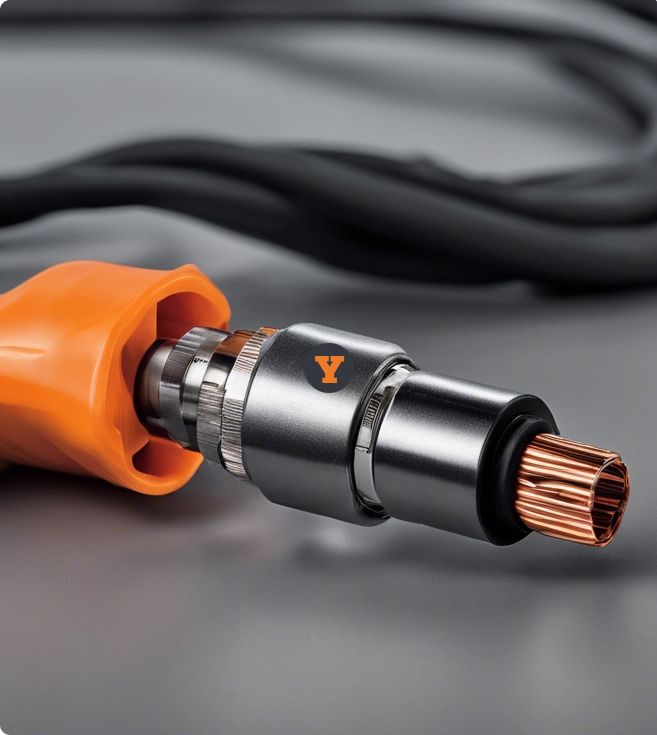
Stainless steel cable glands are designed to secure the entry of electrical cables into equipment, providing strain relief, grounding continuity, and protection against external environmental factors. Their corrosion resistance, mechanical strength, and sealing performance make them ideal for industries like:
Oil & gas (onshore and offshore)
Chemical and petrochemical plants
Marine and shipbuilding applications
Renewable energy systems (wind turbines, solar farms)
Food and beverage processing plants
In all these environments, the gland must maintain a tight seal against dust, liquids, and gases, while accommodating mechanical stresses from cable movement or vibration.
2. Why Thread Type Matters
The thread type determines how the gland mounts to equipment or junction boxes. Incorrect thread selection can lead to leaks, mechanical failure, or incompatibility with enclosures. Common thread types include:
2.1 Metric Threads (M Series)
Description: Conforms to ISO metric standards, commonly M16, M20, M25, etc.
Applications: Widely used in European and Asian industrial equipment.
Advantages: Easy availability, standardized sizes, compatible with most machinery.
Considerations: Ensure equipment entry holes match the metric size; oversized or undersized threads can compromise sealing performance.
2.2 PG (Panzer-Gewinde) Threads
Description: German-origin standard (PG7, PG9, PG11, etc.).
Applications: Older industrial installations and legacy equipment, particularly in Europe.
Advantages: Reliable mechanical fit; common in industrial automation.
Considerations: Less common in modern systems; adapters may be required for metric or NPT interfaces.
2.3 NPT (National Pipe Thread)
Description: Tapered thread standard primarily used in North America.
Applications: Oil & gas, process automation, and instrumentation panels.
Advantages: Tapered design ensures tight fit and sealing with appropriate thread sealant.
Considerations: Requires correct torque; over-tightening can deform the gland or damage the enclosure.
2.4 BSP (British Standard Pipe)
Description: Widely used in UK, Europe, and some Asia-Pacific installations.
Variants: BSPP (parallel), BSPT (tapered)
Applications: Process plants, water treatment, and marine equipment.
Advantages: BSPT threads provide mechanical sealing, BSPP requires O-ring or sealing washer.
Considerations: Mixing BSP and NPT threads can cause leakage and mechanical stress; always verify compatibility.
3. Seal Type Selection: Ensuring Environmental Protection
The seal in a cable gland prevents ingress of water, dust, chemicals, and gases. In industrial settings, the correct seal type ensures IP rating compliance and enhances system longevity.
3.1 O-Ring Seals
Materials: Nitrile (NBR), EPDM, FKM (Viton)
Features: Provides excellent resistance to oil, chemicals, and temperature variations.
Applications: Outdoor installations, chemical plants, HVAC systems.
Advantages: Easy to replace, reusable with proper care.
Considerations: Must match gland size; incompatible materials may degrade under harsh chemicals.
3.2 Compression Seals (Grommet Style)
Description: Flexible elastomer or rubber insert that compresses around the cable.
Applications: Standard industrial cabling, low to medium chemical exposure.
Advantages: Simple installation, accommodates slight cable diameter variations.
Limitations: Limited chemical resistance compared to FKM/Viton seals.
3.3 EM Seals (Electromagnetic Shielding)
Purpose: Provide grounding and EMI/RFI shielding along with environmental protection.
Applications: Instrumentation, data centers, telecommunications.
Advantages: Prevents signal interference while maintaining IP-rated protection.
Considerations: More expensive; required only where EMI mitigation is critical.
4. Matching Thread Type and Seal for Optimal Performance
Choosing the correct combination of thread type and seal requires consideration of:
Environmental Conditions:
Corrosive environments → stainless steel + FKM seal
Submersion or high humidity → IP68 rated seals
High vibration → reinforced compression seals
Cable Diameter Range:
Compliance and Certification:
Mechanical Strength Requirements:
Example:
For an offshore oil rig, engineers may select M25 stainless steel cable glands with FKM O-ring seals and EM shielding to ensure corrosion resistance, high IP protection, and electromagnetic compatibility.
5. Common Mistakes in Selection
Using metric glands on PG-threaded enclosures without adapters → leads to leaks.
Selecting incompatible seal material for chemical exposure → rapid seal degradation.
Overlooking IP rating requirements for outdoor or marine installations → premature cable failure.
Mixing tapered and parallel threads → mechanical stress and potential enclosure damage.
Preventing these mistakes requires careful review of equipment datasheets, environmental factors, and cable specifications before procurement.
6. Installation Tips for Maximum Reliability
Torque Guidelines: Follow manufacturer torque specifications to avoid deforming the gland or enclosure.
Cable Preparation: Ensure proper stripping length and no sharp edges that could compromise the seal.
Seal Inspection: Check O-ring integrity and compression fit before closing enclosures.
Routine Maintenance: Periodically inspect glands for corrosion, mechanical stress, or seal degradation.
Proper installation complements correct selection, ensuring long-term system reliability.
7. Conclusion
Selecting the right thread type and seal for industrial stainless steel cable glands is essential for maintaining system integrity, safety, and compliance in challenging industrial environments. Engineers and procurement teams must consider environmental conditions, mechanical requirements, compliance standards, and cable specifications to achieve optimal performance. By carefully matching thread type and seal material, industrial facilities can prevent equipment failure, reduce maintenance costs, and extend system lifespan.
When it comes to reliable, high-quality stainless steel cable glands for any industrial application, YDT provides expert solutions and tailored support to meet your exact requirements.