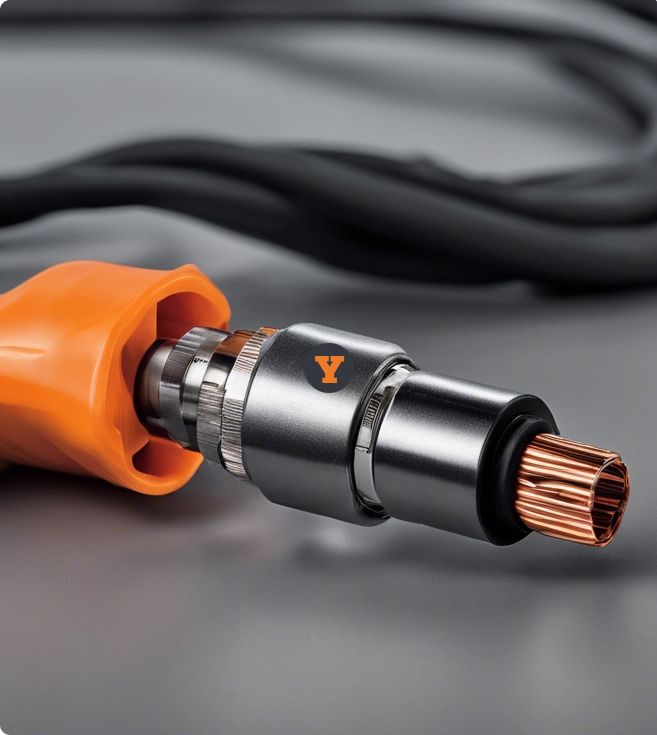
Choosing the Right Thread Type and Seal for Industrial Stainless Steel Cable Glands
In industrial environments where reliability, safety, and long-term performance are non-negotiable, cable management components often determine whether a system succeeds or fails. Among these components, stainless steel cable glands play a critical role in ensuring secure cable entry, environmental protection, and mechanical stability.
However, one of the most common challenges faced by procurement managers, engineers, and installers is selecting the correct thread type and sealing solution. A mismatch in either can lead to water ingress, equipment failure, costly downtime, or even safety hazards.
This guide provides a comprehensive, practical breakdown of how to choose the right thread and seal for industrial stainless steel cable glands—helping you make informed decisions that align with real-world application demands.

1. Why Thread Type and Seal Selection Matters
Cable glands are not just connectors—they are sealing systems. Their performance depends heavily on two key elements:
Incorrect selection can result in:
Leakage (water, dust, chemicals)
Poor mechanical retention
Reduced IP rating
Corrosion or premature wear
Compliance issues in regulated industries
For industries such as oil & gas, marine, food processing, and heavy manufacturing, these risks translate directly into financial loss and operational hazards.
2. Overview of Common Thread Types
Understanding thread standards is the first step in selecting the right cable gland.
2.1 Metric Threads (ISO Metric – M Type)
Characteristics:
Defined by diameter and pitch (e.g., M20 × 1.5)
Straight (parallel) thread
Widely used globally, especially in Europe and Asia
Advantages:
High compatibility with modern enclosures
Easy installation and standardization
Suitable for most industrial applications
Best Use Cases:
2.2 NPT Threads (National Pipe Thread)
Characteristics:
Advantages:
Limitations:
Best Use Cases:
2.3 PG Threads (Panzergewinde)
Characteristics:
Advantages:
Limitations:
Best Use Cases:
2.4 BSP Threads (British Standard Pipe – BSPP/BSPT)
Characteristics:
Available in parallel (BSPP) and tapered (BSPT) versions
Widely used in the UK, Australia, and parts of Asia
Advantages:
Best Use Cases:
3. How to Choose the Right Thread Type
Selecting the correct thread type depends on several practical factors:
3.1 Match the Enclosure Entry
Always verify the thread type of the equipment or enclosure:
Tip: Even slight mismatches can compromise sealing and thread integrity.
3.2 Consider Regional Standards
Europe/Asia: Metric threads dominate
North America: NPT is standard
UK/Commonwealth: BSP threads are common
Choosing regionally compatible threads simplifies sourcing and maintenance.
3.3 Evaluate Installation Conditions
High vibration → Tapered threads (NPT/BSPT)
Frequent maintenance → Parallel threads (Metric/BSPP)
Precision alignment needed → Metric threads
4. Understanding Seal Types in Cable Glands
The sealing mechanism is what protects your system from external elements. Choosing the wrong seal can negate even the best thread selection.
4.1 Elastomer Seals (Rubber-Based)
Common Materials:
NBR (Nitrile Rubber)
EPDM
Silicone
Advantages:
Limitations:
Best Use Cases:
4.2 O-Ring Seals
Characteristics:
Advantages:
Best Use Cases:
4.3 Compression Seals
Characteristics:
Advantages:
Best Use Cases:
4.4 Barrier Seals (Compound Sealing)
Characteristics:
Advantages:
Best Use Cases:
5. Key Factors When Selecting Seal Types
5.1 IP Rating Requirements
IP65: Dust-tight, low-pressure water protection
IP67: Temporary immersion
IP68: Continuous immersion
Higher IP ratings require more advanced sealing designs.
5.2 Environmental Conditions
Consider exposure to:
Water or salt spray
Chemicals or oils
UV radiation
Extreme temperatures
Example:
5.3 Cable Type and Diameter
Seal performance depends on:
Cable outer diameter (OD)
Cable material (PVC, XLPE, armored, etc.)
A mismatch can result in:
Loose sealing
Cable damage
5.4 Mechanical Stress and Vibration
For high-vibration environments:
6. Stainless Steel Considerations
When choosing cable glands, material selection is equally important.
6.1 Why Stainless Steel?
Corrosion resistance
High mechanical strength
Long service life
6.2 Common Grades
6.3 Surface Finish and Precision
High-quality machining ensures:
7. Common Mistakes to Avoid
Even experienced buyers and engineers make these mistakes:
7.1 Mixing Thread Standards
Leads to poor sealing and thread damage.
7.2 Ignoring Seal Compatibility
Using the wrong seal material for the environment reduces lifespan.
7.3 Overlooking IP Requirements
Underestimating exposure conditions leads to failures.
7.4 Incorrect Cable Sizing
Choosing a gland outside the cable diameter range compromises sealing.
7.5 Skipping Certification Checks
Hazardous environments require certified solutions (ATEX, IECEx).
8. Practical Selection Workflow
To simplify decision-making, follow this step-by-step approach:
Identify enclosure thread type
Confirm regional standard requirements
Define environmental conditions
Determine required IP rating
Match cable diameter and type
Select appropriate seal material
Choose stainless steel grade (304 or 316)
Verify certifications if required
9. Application-Based Recommendations
9.1 Marine & Offshore
Thread: BSP or Metric
Seal: EPDM or silicone
Material: SS316
9.2 Oil & Gas
9.3 Food & Beverage
9.4 General Manufacturing
Thread: Metric
Seal: NBR or EPDM
Material: SS304
10. Final Thoughts
Selecting the right thread type and sealing solution for stainless steel cable glands is not just a technical detail—it is a critical decision that affects system integrity, safety, and long-term operational costs.
By understanding thread standards, evaluating environmental conditions, and carefully matching seal types to application requirements, you can significantly reduce risk and improve system reliability.
In today’s industrial landscape, where downtime is costly and compliance is essential, making the right choice upfront is always more efficient than fixing problems later.
YDT delivers precision-engineered stainless steel cable glands designed for demanding industrial environments—offering reliable sealing, global thread compatibility, and consistent performance you can trust in every connection.