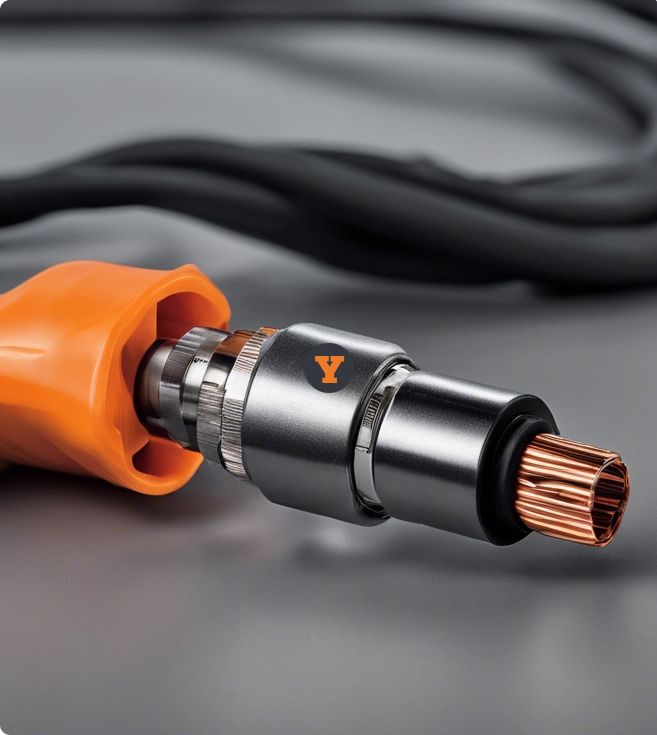
Selecting the correct material for an explosion proof cable gland is just as important as choosing the appropriate certification, thread type, or cable size. While both brass and stainless steel explosion proof cable glands are widely used across hazardous industries, they are designed to perform under different environmental conditions and operational demands.
Many buyers assume stainless steel is always the superior option because of its excellent corrosion resistance. Others choose brass simply because it is more economical. In reality, the best choice depends on the installation environment, chemical exposure, mechanical stress, maintenance strategy, and total lifecycle cost.
This guide compares brass and stainless steel explosion proof cable glands in detail, helping engineers, EPC contractors, distributors, and procurement professionals understand the strengths, limitations, and ideal applications of each material.

Why Cable Gland Material Matters
An explosion proof cable gland does much more than secure a cable. It is a safety-critical component responsible for maintaining the integrity of hazardous-area electrical equipment throughout its service life.
The material used to manufacture the gland directly affects:
Selecting an unsuitable material may lead to premature corrosion, thread damage, sealing failure, increased maintenance costs, and reduced equipment reliability.
Understanding Brass Explosion Proof Cable Glands
Brass is one of the most commonly used materials for explosion proof cable glands because it provides an excellent balance of strength, durability, machinability, and cost.
Most industrial cable glands are manufactured from high-quality brass with a nickel-plated finish.
The nickel plating enhances:
Nickel-plated brass cable glands have been widely used in industrial environments for decades and remain the preferred choice for many electrical installations.
Advantages of Brass Cable Glands
Excellent Mechanical Strength
Brass offers high tensile strength and excellent thread durability.
This makes it suitable for installations where cable glands are exposed to:
Mechanical impact
Equipment vibration
Frequent cable movement
Heavy cable loads
Properly installed brass glands maintain secure cable retention over many years.
Cost-Effective Solution
One of the biggest advantages of brass is its affordability.
Compared with stainless steel, brass typically provides:
For projects involving hundreds or thousands of cable entries, the savings can be substantial.
Easy Installation
Brass is relatively easy to machine and install.
Its smooth thread engagement reduces the likelihood of thread damage during assembly and allows installers to achieve the recommended tightening torque more easily.
Good Corrosion Resistance
Nickel-plated brass performs well in many industrial environments, including:
Manufacturing plants
Power stations
Water treatment facilities
Industrial automation systems
Commercial buildings
Indoor hazardous locations
For these applications, brass often provides decades of reliable service.
Limitations of Brass Cable Glands
Although brass performs exceptionally well in many environments, it has limitations.
Brass is generally less suitable for:
Offshore platforms
Coastal installations
Continuous salt spray exposure
Highly acidic environments
Chloride-rich processing plants
Aggressive chemical facilities
Over time, these conditions may damage the protective nickel plating and accelerate corrosion.
Understanding Stainless Steel Explosion Proof Cable Glands
Stainless steel cable glands are manufactured from corrosion-resistant stainless steel alloys, most commonly:
Stainless Steel 304
Stainless Steel 316
Stainless Steel 316L
Among these, 316 and 316L stainless steel are widely recognized as the preferred materials for highly corrosive industrial environments due to their excellent resistance to chlorides, saltwater, and many chemical agents.
These cable glands are designed for applications where long-term durability and corrosion resistance are more important than minimizing initial purchase cost.
Advantages of Stainless Steel Cable Glands
Outstanding Corrosion Resistance
The greatest advantage of stainless steel is its ability to resist corrosion in harsh operating environments.
It performs exceptionally well when exposed to:
This makes stainless steel the preferred choice for demanding outdoor installations.
Longer Service Life
Because stainless steel resists corrosion more effectively than brass, it generally offers a longer operational lifespan in aggressive environments.
Reduced corrosion means:
Although the initial investment is higher, stainless steel often provides better long-term value in corrosive applications.
Superior Chemical Resistance
Many process industries routinely expose electrical equipment to corrosive substances.
Examples include:
Chemical manufacturing
Pharmaceutical production
Pulp and paper processing
Food processing with aggressive cleaning chemicals
Wastewater treatment
Stainless steel withstands these environments far better than standard brass.
Hygienic Surface
The smooth surface finish of stainless steel makes it particularly suitable for industries with strict hygiene requirements.
These include:
Its non-porous surface is easier to clean and more resistant to contamination.
Limitations of Stainless Steel Cable Glands
Despite their many advantages, stainless steel cable glands are not always the ideal solution.
Potential drawbacks include:
Higher purchase cost
Increased material weight
More demanding machining processes
Longer manufacturing lead times for customized designs
For general industrial applications where corrosion is minimal, stainless steel may provide little additional benefit compared to high-quality nickel-plated brass.
Brass vs Stainless Steel: Side-by-Side Comparison
| Feature | Brass Cable Glands | Stainless Steel Cable Glands |
|---|
| Initial Cost | Lower | Higher |
| Mechanical Strength | Excellent | Excellent |
| Corrosion Resistance | Good | Outstanding |
| Salt Spray Resistance | Moderate | Excellent |
| Chemical Resistance | Good | Excellent |
| Outdoor Durability | Good | Excellent |
| Thread Wear Resistance | Excellent | Excellent |
| Maintenance Requirements | Moderate | Low |
| Typical Service Life | Long | Very Long |
| Recommended Environment | General industry | Harsh industrial and marine environments |
While both materials deliver excellent mechanical performance, stainless steel offers a clear advantage in highly corrosive operating conditions.
Which Material Is Best for Different Industries?
Oil and Gas
Recommended Material:
Stainless Steel
Reasons:
Petrochemical Plants
Recommended Material:
Stainless Steel
Aggressive chemicals and outdoor exposure make stainless steel the preferred choice.
Marine and Offshore Applications
Recommended Material:
Stainless Steel 316 or 316L
Marine environments expose equipment to continuous humidity and chlorides that rapidly accelerate corrosion on less resistant materials.
Manufacturing Facilities
Recommended Material:
Nickel-Plated Brass
For indoor industrial production environments with limited chemical exposure, brass provides excellent reliability at a lower cost.
Power Generation
Recommended Material:
Either material may be appropriate depending on the installation location.
Indoor control rooms often use brass, while outdoor substations or coastal power plants may benefit from stainless steel.
Water and Wastewater Treatment
Recommended Material:
Project conditions determine the best option.
Facilities exposed to aggressive chemicals or outdoor weather generally favor stainless steel, while indoor applications may use brass successfully.
Factors to Consider Before Choosing
Before selecting a cable gland material, evaluate the following:
Installation Environment
Is the equipment located:
Indoors?
Outdoors?
Offshore?
Underground?
In a coastal region?
Environmental exposure significantly influences material performance.
Chemical Exposure
Determine whether the gland will contact:
Acids
Alkalis
Chlorides
Solvents
Cleaning chemicals
Fertilizers
More aggressive chemicals generally favor stainless steel.
Maintenance Accessibility
If cable glands are installed in difficult-to-access locations, selecting a longer-lasting material can reduce future maintenance costs.
Project Budget
While brass reduces upfront costs, lifecycle costs should also be considered.
Replacing corroded cable glands in hazardous environments can be significantly more expensive than selecting a corrosion-resistant material from the outset.
Equipment Service Life
Projects designed for 20 to 30 years of continuous operation often justify investing in stainless steel, particularly in harsh environments.
Common Material Selection Mistakes
Many buyers make decisions based solely on purchase price.
Common mistakes include:
Choosing brass for offshore installations
Selecting stainless steel where brass is entirely adequate
Ignoring chemical compatibility
Overlooking environmental conditions
Failing to evaluate lifecycle costs
Assuming all stainless steel grades offer identical corrosion resistance
Careful evaluation of operating conditions helps avoid unnecessary expenses and premature equipment failure.
Final Thoughts
Both brass and stainless steel explosion proof cable glands offer outstanding mechanical strength and dependable performance, but each material is suited to different operating environments. Nickel-plated brass provides an economical and reliable solution for most general industrial applications, delivering excellent durability, ease of installation, and long service life. Stainless steel, particularly grades 316 and 316L, excels in corrosive, marine, offshore, and chemical processing environments where superior resistance to moisture, salt, and aggressive substances is essential.
Rather than assuming one material is universally better, engineers and procurement teams should evaluate environmental exposure, maintenance requirements, project lifespan, and total ownership costs before making a selection. Choosing the right material ensures long-term safety, regulatory compliance, and reliable performance throughout the life of the electrical installation.
Looking for the Right Explosion Proof Cable Gland Material?
Whether your project requires cost-effective nickel-plated brass cable glands for general industrial use or stainless steel explosion proof cable glands for demanding offshore and corrosive environments, YDT offers a comprehensive range of certified solutions to meet your application needs. Our products are available in multiple material grades, thread standards, sealing configurations, and hazardous-area certifications, helping customers achieve reliable performance in even the most challenging operating conditions.
Contact YDT today for expert technical guidance, customized material recommendations, or assistance selecting the ideal explosion proof cable gland for your next project.