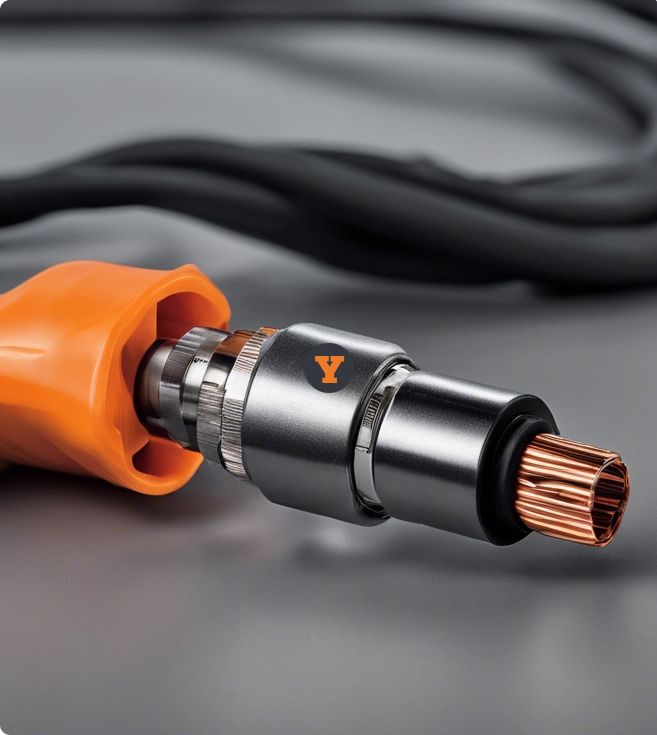
Brass Cable Gland vs Stainless Steel Gland for Corrosion Resistance: Choosing the Right Material for Industrial Applications
In industrial electrical installations, cable glands are a critical component for securing, protecting, and sealing cables entering enclosures or equipment. Selecting the right material is essential to ensure long-term reliability and corrosion resistance in harsh environments. Among the most common materials used are brass and stainless steel, each offering distinct advantages depending on application conditions. This guide explores the differences between brass cable glands and stainless steel cable glands, helping engineers, procurement managers, and maintenance teams make informed decisions.

A cable gland is a mechanical device designed to terminate and secure cables while providing protection against environmental hazards such as water, dust, chemicals, and mechanical stress. Properly selected cable glands not only ensure safety but also maintain the integrity of electrical connections over time.
Brass cable glands are widely used in industrial installations due to their strength, conductivity, and moderate corrosion resistance. Stainless steel cable glands, on the other hand, offer superior corrosion resistance, making them suitable for aggressive or marine environments.
Brass Cable Glands: Features and Advantages
Material Characteristics:
Made from high-quality brass, often nickel-plated for enhanced corrosion resistance.
Strong mechanical properties, providing secure cable termination and strain relief.
Key Benefits:
Cost-Effective: Brass cable glands are generally more affordable than stainless steel alternatives.
Durable: Brass provides sufficient mechanical strength for most industrial applications.
Corrosion Resistance: Nickel plating enhances protection against moderate corrosion and chemical exposure.
Easy Installation: Lightweight and easier to machine than stainless steel, simplifying installation.
Applications:
Industrial automation and control panels
General-purpose electrical enclosures
Indoor or semi-protected environments where chemical or saline exposure is limited
Limitations:
Brass is less resistant to highly corrosive environments, such as saltwater, strong acids, or alkaline chemicals.
In long-term exposure to aggressive chemicals, brass may tarnish or deteriorate faster than stainless steel.
Material Characteristics:
Constructed from 304 or 316L stainless steel, offering exceptional corrosion resistance.
Excellent strength-to-weight ratio, suitable for demanding environments.
Key Benefits:
Superior Corrosion Resistance: Stainless steel withstands harsh chemicals, saline environments, and high humidity.
Long-Term Durability: Maintains structural integrity over long periods, even under extreme environmental conditions.
High-Temperature Resistance: Stainless steel tolerates elevated temperatures better than brass.
Compliance: Often required in offshore, marine, and chemical processing applications.
Applications:
Offshore oil & gas platforms
Marine installations exposed to seawater
Chemical and petrochemical plants
Environments with high humidity or corrosive gases
Limitations:
Higher cost compared to brass
Installation requires more effort due to material hardness
Slightly heavier than brass, which may affect certain applications
Comparing Brass and Stainless Steel Cable Glands for Corrosion Resistance
| Feature | Brass Cable Gland | Stainless Steel Cable Gland |
|---|
| Material Strength | Moderate | High |
| Corrosion Resistance | Moderate (enhanced with nickel plating) | Excellent (304/316L stainless steel) |
| Environmental Suitability | Indoor, semi-protected, moderate chemical exposure | Offshore, marine, chemical plants, highly corrosive environments |
| Cost | Lower | Higher |
| Installation Ease | Easier to machine and install | Requires more torque and care due to hardness |
| Longevity in Harsh Environments | Limited | Long-term, high durability |
Key Takeaways:
Brass cable glands are cost-effective, suitable for less aggressive environments.
Stainless steel glands are ideal for extreme, corrosive, or marine conditions where long-term reliability is critical.
Proper material selection depends on environmental conditions, chemical exposure, and expected service life.
Factors to Consider When Choosing Cable Gland Material
Environmental Conditions: Assess exposure to water, chemicals, humidity, and temperature.
Industry Requirements: Certain industries, such as offshore or chemical processing, mandate stainless steel for compliance with safety standards.
Budget vs Longevity: Brass is economical for standard applications; stainless steel offers long-term reliability in aggressive conditions.
Mechanical Requirements: Consider strain relief, thread engagement, and mechanical load on the gland.
Sealing Needs: Use appropriate O-rings or sealing washers to enhance corrosion resistance for both materials.
Common Mistakes and Best Practices
Mistakes to Avoid:
Choosing brass in highly corrosive environments, leading to premature failure.
Using stainless steel unnecessarily in low-risk environments, increasing costs without added benefit.
Neglecting proper sealing or thread engagement, reducing corrosion protection.
Best Practices:
Match the gland material to the specific environmental conditions.
Ensure IP rating compliance for dust and water ingress protection.
Use certified cable glands from reputable suppliers to guarantee performance and safety.
Applications Across Industries
Brass Cable Glands:
Stainless Steel Cable Glands:
Offshore oil & gas platforms
Marine vessels and port installations
Chemical and petrochemical plants
High-humidity and outdoor installations
By understanding the differences between brass and stainless steel cable glands, procurement teams can ensure reliable, safe, and long-lasting cable protection, while avoiding costly maintenance and downtime.
Conclusion
Choosing the right cable gland material is crucial for corrosion resistance and operational reliability. Brass cable glands are ideal for standard industrial applications with moderate environmental exposure, offering cost-effective and durable solutions. Stainless steel cable glands, particularly 304 and 316L grades, are recommended for harsh, corrosive, or marine environments, ensuring long-term performance and safety.
Selecting the appropriate material reduces maintenance, ensures compliance, and enhances the longevity of industrial systems.
For reliable, corrosion-resistant cable protection, trust YDT’s range of brass and stainless steel cable glands, engineered for safety, durability, and industrial excellence.