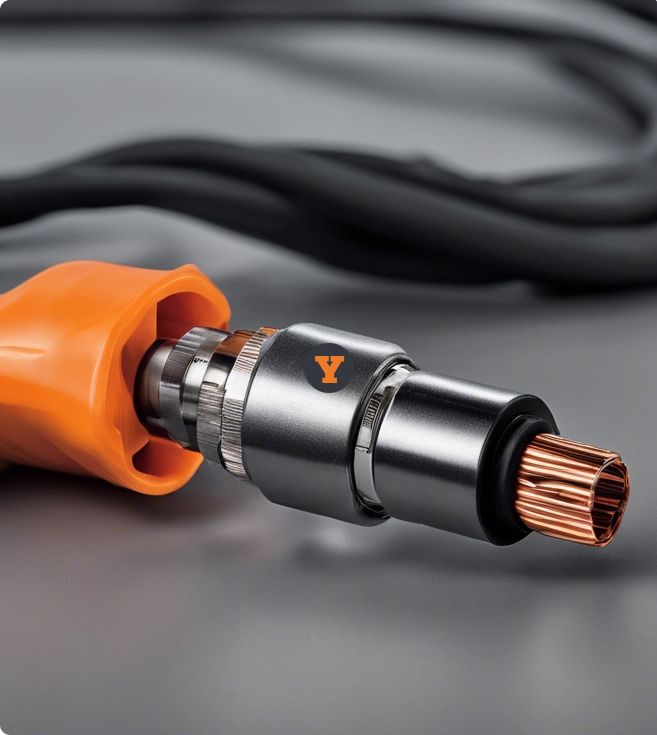
Brass Cable Gland vs. Stainless Steel Cable Gland: Key Differences, Advantages, and Selection Guide
Cable glands are fundamental components in electrical and industrial installations, ensuring secure cable entry, strain relief, grounding, and environmental protection. Choosing the right type of cable gland is essential for system safety, longevity, and regulatory compliance. Among the most commonly used types are brass cable glands and stainless steel cable glands, each offering distinct advantages depending on application conditions.
This guide provides an in-depth analysis of brass versus stainless steel cable glands, their characteristics, advantages, limitations, cost considerations, and practical guidance for selection, helping engineers, procurement professionals, and industrial buyers make informed decisions.
1. Understanding Brass Cable Glands
Brass cable glands are metallic glands crafted from high-quality brass, often nickel-plated to enhance corrosion resistance. They are widely used in general industrial applications and areas where moderate environmental protection and mechanical strength are required.
Key Features of Brass Cable Glands:
· Material Strength: Strong mechanical performance, resistant to impact and deformation
· Corrosion Resistance: Nickel-plating enhances resistance to moisture and mild chemicals
· Temperature Range: Typically -40°C to +120°C
· Environmental Protection: Provides reliable sealing for dust, water, and oil (IP68 achievable in many designs)
· Applications: General industrial machinery, control panels, outdoor electrical enclosures in moderate environments
Brass cable glands are appreciated for their balance of mechanical strength, cost, and ease of installation, making them a popular choice for many industrial and commercial projects.
2. Understanding Stainless Steel Cable Glands
Stainless steel cable glands are made from high-grade stainless steel (usually SS304 or SS316), known for its superior corrosion resistance, strength, and durability. These glands are specifically designed for harsh or highly corrosive environments.
Key Features of Stainless Steel Cable Glands:
· Extreme Durability: Resistant to heavy mechanical loads, impact, and deformation
· Corrosion Resistance: Excellent performance in marine, chemical, and outdoor environments
· Temperature Range: Usually -50°C to +200°C (depending on grade)
· Environmental Protection: Can achieve IP68 or higher sealing for water and dust ingress
· Applications: Offshore installations, chemical plants, oil & gas facilities, marine environments, outdoor substations
Stainless steel glands are preferred in critical applications where long-term reliability and exposure to harsh conditions are expected.
3. Brass vs Stainless Steel Cable Glands: Side-by-Side Comparison
Feature | Brass Cable Gland | Stainless Steel Cable Gland |
Material | Brass, often nickel-plated | SS304 or SS316 stainless steel |
Mechanical Strength | High, suitable for moderate stress | Very high, withstands extreme stress and impact |
Corrosion Resistance | Good, moderate chemical resistance | Excellent, resists saltwater, acids, and harsh chemicals |
Temperature Range | -40°C to +120°C | -50°C to +200°C |
Weight | Heavier than nylon, lighter than SS | Heaviest, solid and robust |
Environmental Protection | IP65–IP68 achievable | IP68–IP69K achievable |
Cost | Moderate | Higher |
Applications | General industrial and outdoor use | Harsh industrial, marine, offshore, chemical, and hazardous environments |
4. Advantages and Limitations
Advantages of Brass Cable Glands
· Balanced Cost and Performance: Affordable for general industrial use
· Good Mechanical Strength: Suitable for most industrial installations
· Reliable Sealing: Provides moderate protection against dust and water
· Ease of Installation: Compatible with standard tools and threaded conduits
Limitations:
· Less corrosion-resistant than stainless steel in highly aggressive environments
· Not suitable for extreme temperatures or chemical exposure
· Heavier than nylon, but lighter than stainless steel
Advantages of Stainless Steel Cable Glands
· Exceptional Corrosion Resistance: Ideal for marine, offshore, and chemical installations
· High Mechanical Strength: Withstands heavy loads, vibration, and physical impact
· Wide Temperature Tolerance: Suitable for extreme heat or cold environments
· Durability: Long lifespan with minimal maintenance
Limitations:
· Higher upfront cost compared to brass
· Heavier and may require specialized installation tools
· May be over-specified for low-stress indoor projects, increasing unnecessary expense
5. Key Considerations When Choosing Between Brass and Stainless Steel Cable Glands
1. Environmental Conditions
· Moderate industrial or outdoor use → Brass
· Highly corrosive, offshore, chemical, or marine environments → Stainless Steel
1. Mechanical Stress
· Moderate stress applications → Brass
· Heavy vibration, impact, or extreme mechanical load → Stainless Steel
1. Temperature Requirements
· Standard industrial temperatures → Brass
· High or low extremes → Stainless Steel
1. Budget and Project Scale
· Cost-sensitive projects with moderate requirements → Brass
· Critical systems with high durability needs → Stainless Steel
1. Compliance and Safety
· Hazardous or harsh environments requiring long-term reliability → Stainless Steel
· Standard industrial use with IP65–IP68 sealing → Brass
6. Common Problems and Solutions
Problem 1: Brass corrosion in coastal or chemical areas
Solution: Use nickel-plated brass or switch to stainless steel for better corrosion resistance.
Problem 2: Stainless steel gland difficult to tighten
Solution: Use torque-controlled tools; select correct thread type and size.
Problem 3: Moisture ingress or dust penetration
Solution: Ensure proper sealing with high-quality O-rings; check IP rating before installation.
Problem 4: Mechanical damage due to over-tightening
Solution: Follow manufacturer torque specifications; avoid excessive force.
7. Business Applications and Industry Trends
Brass Cable Glands:
· Commonly used in general industrial machinery, outdoor enclosures, commercial electrical panels, and low to medium-stress installations.
Stainless Steel Cable Glands:
· Preferred in marine, offshore, chemical processing plants, oil & gas, and high-humidity outdoor installations where durability and corrosion resistance are critical.
Many industrial projects adopt a hybrid approach, using stainless steel glands in harsh zones and brass glands for standard areas, achieving a balance between cost-efficiency and reliability.
8. Which Cable Gland Should You Choose?
Question | Brass Cable Gland | Stainless Steel Cable Gland |
Environment | Moderate outdoor & industrial | Harsh, marine, chemical, offshore |
Mechanical stress | Moderate | Heavy & high-vibration |
Temperature | Standard industrial | Extreme conditions |
Cost | Moderate | Higher |
Longevity | Good | Excellent |
Ease of installation | Easy | Moderate, may require special tools |
Summary:
· Brass: Ideal for general-purpose industrial use with moderate environmental challenges
· Stainless Steel: The choice for extreme conditions, high durability, and critical installations
9. Conclusion
Selecting the correct cable gland type is crucial for safety, system performance, and long-term reliability. Brass cable glands offer a balance of cost, strength, and moderate corrosion resistance, making them suitable for most industrial and commercial applications. Stainless steel cable glands provide unmatched durability and corrosion protection for harsh, marine, or chemically aggressive environments.
For businesses seeking high-quality brass and stainless steel cable glands with reliable performance, certified quality, and expert technical support, YDT provides a comprehensive range of solutions designed to meet diverse industrial and electrical project needs, ensuring long-lasting safety and efficiency.