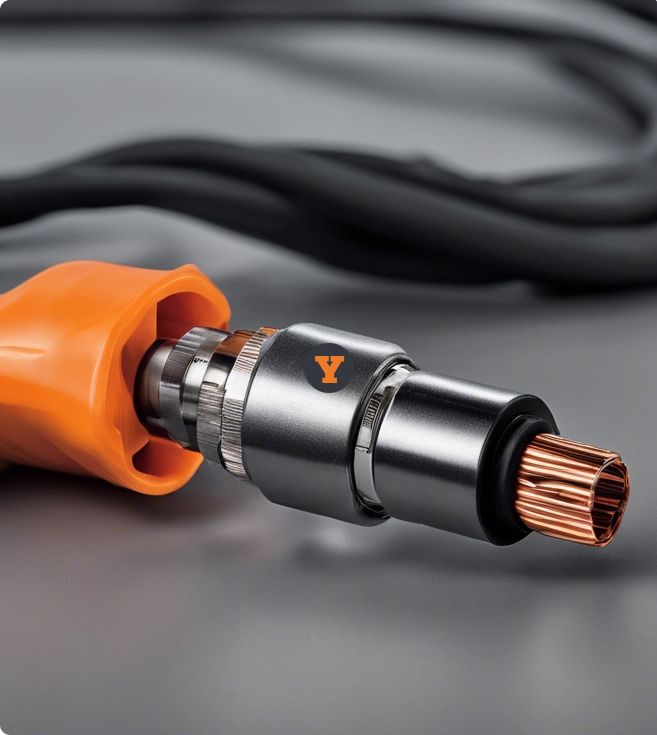
Brass Cable Gland vs Nickel-Plated Brass Cable Gland: Key Differences and How to Choose the Right Type
Cable glands are essential components in industrial and electrical systems, providing a reliable interface between cables and equipment while protecting against environmental factors such as dust, water, chemicals, and mechanical stress. Among the most commonly used types are plain brass cable glands and nickel-plated brass cable glands. While these two options may appear similar, they have distinct material properties, corrosion resistance, and application scenarios that affect durability, safety, and total cost of ownership.
This article provides an in-depth comparison of brass cable glands vs nickel-plated brass cable glands to help engineers, procurement managers, and contractors make informed decisions.

1. Understanding Brass Cable Glands
1.1 What Is a Brass Cable Gland?
A brass cable gland is a mechanical fitting made from brass that connects and secures the end of an electrical cable to equipment or an enclosure. Its main purposes are:
· Strain relief for the cable
· Environmental protection (dust, moisture, chemicals)
· Grounding for electrical safety
1.2 Key Features of Brass Cable Glands
· Made from high-quality brass alloy
· Strong mechanical performance
· Naturally corrosion-resistant in normal conditions
· Compatible with various sealing materials (NBR, EPDM, silicone)
· Available in multiple thread types (PG, M, NPT)
1.3 Typical Applications
· Indoor electrical panels and control boxes
· Industrial automation systems
· Low-corrosion indoor machinery environments
· General-purpose wiring in dry or mildly humid conditions
1.4 Limitations
· Brass without plating may tarnish or corrode over time in harsh environments, especially in coastal, acidic, or high-moisture areas
· Surface finish may not withstand abrasive or chemical exposure
2. What Is a Nickel-Plated Brass Cable Gland?
2.1 Definition
A nickel-plated brass cable gland is essentially a brass cable gland coated with a thin layer of nickel. This additional layer provides:
· Enhanced corrosion resistance, especially in harsh environments
· Improved surface hardness, increasing wear resistance during installation
· Better aesthetic appearance, important in exposed installations
2.2 Key Features
· Nickel coating thickness typically ranges from 5–15 microns
· Provides superior resistance to salt spray, humidity, and acidic conditions
· Maintains the mechanical strength of brass
· Compatible with all standard sealing materials and thread types
2.3 Typical Applications
Nickel-plated brass cable glands are commonly used in:
· Outdoor electrical installations exposed to rain, coastal conditions, or high humidity
· Marine and offshore equipment
· Chemical plants or food industry where cleaning solutions or acids are present
· Renewable energy systems such as solar or wind farms in harsh climates
2.4 Limitations
· Higher cost than plain brass glands
· Requires proper handling to prevent scratching the nickel layer, which can compromise corrosion resistance
3. Brass vs Nickel-Plated Brass: Side-by-Side Comparison
Feature | Brass Cable Gland | Nickel-Plated Brass Cable Gland |
Material | High-quality brass | Brass with nickel coating |
Corrosion Resistance | Good in normal conditions | Excellent, especially in humid, acidic, or coastal environments |
Surface Hardness | Moderate | Higher due to nickel layer |
Cost | Lower | Higher |
Aesthetic Appearance | Yellow/golden brass | Bright silver, polished finish |
Maintenance | Moderate, may require periodic cleaning | Low, retains appearance and protection longer |
Typical Applications | Indoor, low-corrosion environments | Outdoor, marine, chemical, harsh environments |
Longevity | Medium | High, longer service life under harsh conditions |
4. Why Material Choice Matters
Selecting the right cable gland material affects:
· System Reliability: Corrosion can compromise sealing and mechanical integrity. Nickel plating adds a protective barrier, reducing maintenance issues.
· Operational Costs: Replacing corroded brass glands frequently increases downtime and labor costs. Nickel-plated options often reduce lifetime maintenance.
· Compliance: Some industries (marine, chemical, food processing) require corrosion-resistant materials to meet standards.
· Aesthetic and Branding: Exposed installations benefit from nickel-plated glands for a polished professional look.
5. Environmental Considerations for Procurement
When deciding between brass and nickel-plated brass cable glands, consider:
· Humidity: High humidity accelerates tarnishing in plain brass; nickel plating prevents corrosion.
· Salt Exposure: Coastal or marine environments require nickel-plated glands to resist salt-induced corrosion.
· Chemicals: Industrial plants with cleaning acids or solvents may degrade uncoated brass.
· Mechanical Wear: Frequent installation or re-tightening can scratch uncoated brass; nickel plating improves hardness.
6. Cost vs Performance Analysis
Factor | Brass | Nickel-Plated Brass |
Unit Cost | Lower | Higher upfront |
Service Life | 3–5 years (depending on environment) | 8–10 years or more in harsh conditions |
Maintenance Cost | Medium | Low |
Replacement Frequency | Higher | Lower |
ROI | Short-term savings | Better long-term investment |
For high-stakes installations, nickel-plated brass provides better value despite the higher initial cost, due to reduced maintenance, longer service life, and improved safety.
7. Key Procurement Questions
Before placing an order, procurement teams should clarify:
· What is the environmental exposure of the installation site?
· Will the gland face saltwater, chemicals, or frequent cleaning?
· Is aesthetic appearance a consideration for exposed equipment?
· What is the expected lifecycle and maintenance schedule for the project?
· Are there industry standards that mandate corrosion-resistant materials?
Answering these questions ensures correct specification, reduces operational risks, and optimizes total cost of ownership.
8. Installation and Maintenance Considerations
· Both brass and nickel-plated brass glands require proper torque and cable diameter matching for optimal sealing.
· Nickel-plated glands maintain performance longer but still require inspection in critical applications.
· Avoid abrasive tools or harsh chemicals during installation, as they can damage sealing surfaces.
9. Conclusion
The choice between brass cable glands and nickel-plated brass cable glands is primarily determined by environmental conditions, corrosion risk, and lifecycle expectations. Plain brass is suitable for indoor or low-corrosion environments and provides a cost-effective solution. Nickel-plated brass, on the other hand, offers superior corrosion resistance, mechanical durability, and longevity, making it ideal for outdoor, marine, and industrial applications where reliability and long-term performance are critical.
By understanding these differences, procurement managers and engineers can select the right cable gland for the right application, ensuring safety, reducing maintenance costs, and extending equipment life.
YDT delivers high-quality brass and nickel-plated brass cable glands tailored for industrial and harsh-environment applications, helping customers achieve durable, safe, and cost-effective installations.