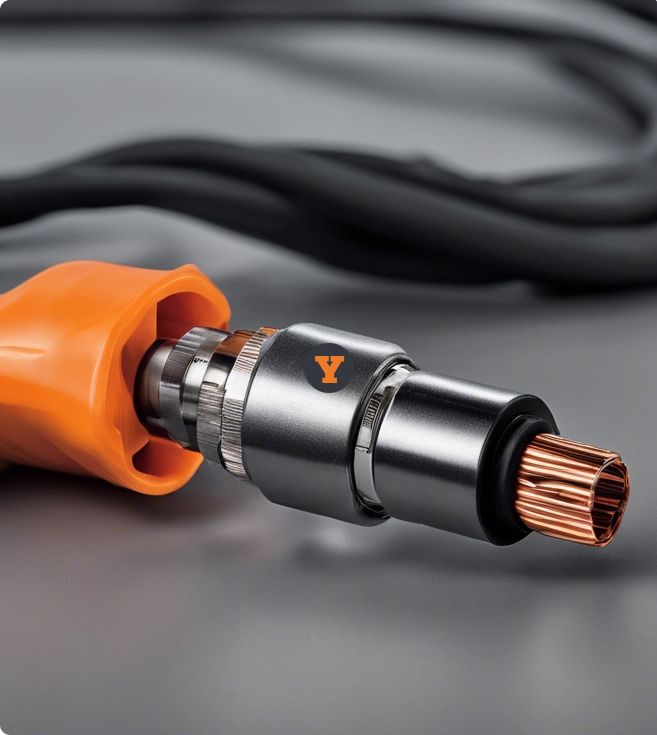
Installing cable glands in hazardous areas is a critical task that ensures the safety, reliability, and longevity of electrical systems. Stainless steel cable glands, due to their corrosion resistance, mechanical strength, and compatibility with high-IP ratings, are the preferred choice for industries such as oil & gas, chemical processing, offshore platforms, and mining. This guide outlines best practices for installing stainless steel cable glands in hazardous areas, helping engineers, maintenance teams, and procurement managers minimize risk and ensure compliance with safety standards.

Understanding Hazardous Areas
Hazardous areas are locations where flammable gases, vapors, dust, or fibers may be present, creating a risk of explosion. These areas are typically classified based on the frequency and duration of explosive atmospheres:
Zone 0/1/2 (Gas): Continuous, intermittent, or occasional presence of flammable gas or vapor.
Zone 20/21/22 (Dust): Continuous, intermittent, or occasional presence of combustible dust.
Proper selection and installation of stainless steel cable glands in these zones is essential to maintain intrinsic safety, prevent ignition sources, and comply with IECEx, ATEX, or local hazardous area standards.
Stainless steel (304 or 316L) cable glands are ideal for hazardous areas due to their:
Corrosion Resistance: Protects against aggressive chemicals, humidity, and saline environments.
Mechanical Strength: Withstands vibration, impact, and environmental stress.
High-IP Ratings: Compatible with IP66, IP67, IP68, and IP69 ratings for dust and water ingress protection.
Longevity: Maintains sealing integrity over long periods in harsh industrial conditions.
Compared to brass or plastic glands, stainless steel provides enhanced durability and reliability, which is critical in high-risk areas.
Best Practices for Installation
1. Select the Correct Gland Type and Material
Confirm the hazardous area classification and ensure the gland is rated accordingly.
Choose the appropriate stainless steel grade:
304 stainless steel for general industrial environments
316L stainless steel for aggressive chemical, marine, or offshore environments
Ensure the gland meets the required IP rating for dust and water ingress.
2. Verify Cable Compatibility
Check cable diameter to ensure a proper fit within the gland’s sealing range.
Select glands with appropriate strain relief for heavy or flexible cables.
Use single-sealed, double-sealed, or connection-type glands depending on environmental and mechanical requirements.
3. Prepare the Cable and Enclosure
Strip the cable carefully to avoid damaging conductors or insulation.
Ensure the enclosure or equipment hole is clean, free of burrs, and matches the gland thread (metric, NPT, or other).
Inspect O-rings and sealing components for damage before installation.
4. Proper Installation Torque
Follow the manufacturer’s recommended torque values to maintain seal integrity.
Over-tightening can deform threads or O-rings, compromising explosion-proof and IP protection.
Under-tightening may result in water or dust ingress.
5. Use Thread Sealant When Required
For tapered threads (e.g., NPT), apply a certified thread sealant or PTFE tape to enhance sealing and maintain hazardous area compliance.
Avoid using unapproved sealants that can degrade in high-temperature or chemical environments.
6. Maintain Electrical Bonding
7. Inspect and Test After Installation
Conduct visual inspection to confirm proper engagement of threads and O-rings.
Perform pressure or immersion testing if required by industry standards.
Check IP rating compliance (IP66/IP68/IP69) as part of quality control.
8. Regular Maintenance
Periodically inspect glands for corrosion, thread damage, or degraded seals.
Replace O-rings or glands showing signs of wear or chemical attack.
Maintain a maintenance log to ensure long-term reliability and safety compliance.
Common Mistakes to Avoid
Using non-certified glands in hazardous areas.
Ignoring IP and hazardous area ratings.
Over-tightening or under-tightening glands.
Failing to match cable diameter with gland sealing range.
Neglecting grounding or bonding requirements.
Skipping regular inspections, leading to unnoticed corrosion or seal failure.
Applications Across Industries
Stainless steel cable glands are critical in industries where hazardous areas are common:
Oil & Gas: Offshore rigs, refineries, and pipelines
Chemical Plants: Corrosive and explosive chemical processing environments
Marine & Shipbuilding: Saltwater exposure and mechanical stress protection
Mining & Heavy Industry: Dust, vibration, and impact resistance
Pharmaceutical & Food Processing: Hygienic environments with washdown requirements
Proper installation ensures safety, reliability, and compliance with international standards.
Conclusion
Installing stainless steel cable glands in hazardous areas requires careful attention to material, IP rating, gland type, cable compatibility, and installation procedures. Following best practices ensures long-term safety, mechanical reliability, and environmental protection. By adhering to standards, using high-quality glands, and performing regular inspections, engineers can reduce downtime, prevent accidents, and maintain operational excellence in extreme conditions.
For safe, durable, and compliant stainless steel cable gland solutions in hazardous areas, trust YDT – engineered for reliability, corrosion resistance, and extreme environments.