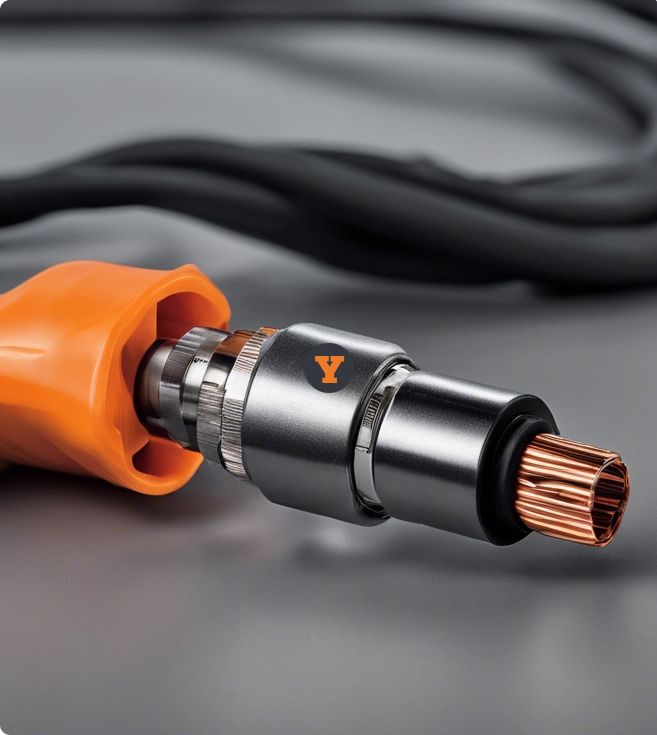
Selecting the right armoured explosion proof cable gland is one of the most important decisions when designing electrical systems for hazardous environments. While the cable itself provides mechanical protection and electrical performance, the cable gland is responsible for maintaining explosion protection, environmental sealing, cable retention, and electrical continuity. Choosing an unsuitable gland can lead to certification failures, water ingress, grounding issues, equipment damage, or even ignition hazards.
This buying guide explains everything engineers, EPC contractors, distributors, and industrial buyers need to know before purchasing armoured explosion proof cable glands. From understanding cable construction and protection concepts to selecting the right material, certification, thread type, and sealing method, this article provides practical guidance that helps reduce project risks and improve long-term reliability.
What Is an Armoured Explosion Proof Cable Gland?
An armoured explosion proof cable gland is a specialized cable entry device designed for armoured electrical cables installed in hazardous locations where explosive gases, vapors, or combustible dust may be present.
Unlike standard cable glands, these products perform several critical functions simultaneously:
Seal the cable entry against dust, water, and contaminants
Prevent flame transmission from inside the enclosure
Secure the cable against pull-out and vibration
Clamp the cable armour to maintain mechanical strength
Provide electrical continuity for grounding and bonding
Maintain the explosion protection rating of certified equipment
Because armoured cables include an additional protective metallic layer, these cable glands feature armour clamping mechanisms that ordinary cable glands do not provide.

Why Armoured Cable Glands Are Essential in Hazardous Areas
Hazardous locations often expose electrical installations to harsh operating conditions such as vibration, mechanical impact, corrosive chemicals, moisture, and temperature fluctuations.
Armoured explosion proof cable glands help address these challenges by:
Maintaining Explosion Protection
Explosion proof enclosures are designed to contain internal explosions. The cable entry point must offer the same level of protection as the enclosure itself.
A properly selected cable gland ensures that flames or hot gases cannot escape through the cable entry.
Protecting Against Mechanical Stress
Industrial cables are frequently subjected to:
Equipment vibration
Cable movement
Heavy pulling forces
Mechanical impacts
The armour clamp transfers mechanical loads from the cable to the gland body, preventing damage to internal conductors.
Providing Reliable Grounding
For many armoured cable systems, the metallic armour serves as part of the grounding system.
Explosion proof armoured glands establish secure electrical continuity between the cable armour and the enclosure, helping ensure personnel safety and compliance with electrical standards.
Step 1: Identify the Hazardous Area Classification
The installation environment determines the protection level required.
Gas Hazardous Areas
Common classifications include:
| Zone | Risk Level | Typical Applications |
|---|
| Zone 0 | Continuous explosive atmosphere | Storage tanks, process vessels |
| Zone 1 | Explosive atmosphere during normal operation | Refineries, offshore platforms |
| Zone 2 | Explosive atmosphere under abnormal conditions | Pump stations, loading facilities |
Dust Hazardous Areas
| Zone | Typical Industries |
|---|
| Zone 20 | Flour mills, grain silos |
| Zone 21 | Food processing plants |
| Zone 22 | Woodworking factories, cement plants |
Always verify that the selected cable gland is certified for the applicable hazardous zone.
Step 2: Confirm the Explosion Protection Type
Not all explosion proof cable glands use the same protection concept.
Common protection methods include:
Ex d Flameproof
Suitable for:
Oil & gas
Petrochemical plants
Offshore platforms
Refineries
These glands contain any internal explosion and prevent flame propagation.
Ex e Increased Safety
Designed to eliminate ignition sources by preventing excessive temperatures and electrical faults.
Typical applications include:
Terminal boxes
Lighting systems
Instrument panels
Ex t Dust Ignition Protection
Recommended where combustible dust is present.
Examples include:
Step 3: Verify Cable Construction
Not every armoured cable uses the same armour design.
Common cable types include:
Steel Wire Armoured (SWA)
Widely used in industrial power distribution because of its excellent tensile strength.
Requires glands designed specifically for SWA cable dimensions.
Steel Tape Armoured (STA)
Typically used where crush resistance is more important than tensile loading.
Requires compatible armour clamping mechanisms.
Aluminium Wire Armoured (AWA)
Often used with single-core power cables.
Requires gland designs that accommodate aluminum armour dimensions and grounding requirements.
Braided Armoured Cable
Frequently found in instrumentation and communication systems.
Always verify compatibility with manufacturer specifications.
Step 4: Select the Correct Material
Material selection significantly affects service life.
Nickel-Plated Brass
Most common industrial choice because it offers:
Suitable for:
Stainless Steel
Preferred for aggressive environments including:
Advantages include:
Aluminum
Offers lightweight construction while maintaining good corrosion resistance.
Often selected for mobile equipment and transportation systems.
Step 5: Measure the Cable Correctly
Incorrect cable measurement is one of the leading causes of gland failure.
Important dimensions include:
Overall cable diameter
Bedding diameter
Armour diameter
Inner sheath diameter
Outer sheath thickness
Never rely solely on cable size descriptions.
Instead, measure the actual cable or obtain detailed manufacturer specifications.
The selected gland should operate comfortably within its certified sealing range.
Step 6: Choose the Proper Thread Type
Cable glands are available with several thread standards.
Common thread options include:
Metric Thread
Widely used across Europe and many international industrial projects.
NPT Thread
Common in North America and many oil & gas facilities.
Provides tapered sealing characteristics.
BSP Thread
Frequently found in industrial equipment manufactured for Commonwealth markets.
PG Thread
Still encountered in older industrial installations, although less common in modern projects.
Matching the enclosure thread is essential for maintaining sealing performance.
Step 7: Evaluate Environmental Conditions
Hazardous area certification alone does not guarantee suitability.
Environmental factors should also influence product selection.
Corrosion
Consider exposure to:
High Temperature
Verify seal material compatibility.
Some applications require:
Low Temperature
Cold climates demand seals that remain flexible below freezing.
UV Exposure
Outdoor installations require UV-resistant materials to prevent premature aging.
Mechanical Vibration
Applications involving:
Pumps
Compressors
Mining machinery
Marine engines
benefit from heavy-duty cable glands with enhanced locking mechanisms.
Step 8: Check IP Protection Ratings
Explosion protection does not replace environmental sealing.
Common ratings include:
| IP Rating | Protection Level |
|---|
| IP66 | Dust-tight and protected against powerful water jets |
| IP67 | Temporary immersion protection |
| IP68 | Continuous immersion protection under specified conditions |
Always ensure the gland maintains the enclosure's protection rating.
Step 9: Verify International Certifications
Large industrial projects frequently require recognized third-party certifications.
Common approvals include:
IECEx
ATEX
UKCA Ex
UL
CSA
CCC Ex
INMETRO
EAC Ex
Certification requirements vary by country, industry, and project owner.
Always review project specifications before purchasing.
Common Buying Mistakes
Even experienced buyers occasionally overlook important details.
Avoid these common mistakes.
Purchasing Based Only on Price
Lower-cost products may use inferior materials, less reliable seals, or limited certification.
Lifecycle cost is often far more important than initial purchase price.
Ignoring Armour Compatibility
Different armour constructions require different gland designs.
An incompatible gland may fail mechanical or grounding requirements.
Selecting Incorrect Cable Size
Oversized glands cannot seal properly.
Undersized glands may damage cable jackets during installation.
Overlooking Environmental Exposure
A gland suitable for indoor use may fail rapidly in offshore or chemical processing environments.
Assuming All Certifications Are Equivalent
Different regions recognize different certification schemes.
Always confirm project-specific requirements.
Questions to Ask Your Supplier Before Ordering
Before finalizing a purchase, request the following information:
Which armoured cable types are supported?
What cable diameter range does the gland accommodate?
Which hazardous area certifications are available?
What IP rating has been independently tested?
Which thread options are offered?
What material options are available?
What temperature range is certified?
Are installation instructions and torque values provided?
Can material certificates and compliance documents be supplied?
What warranty and technical support are available?
A knowledgeable supplier should be able to answer these questions clearly and provide supporting documentation.
Final Thoughts
Choosing an armoured explosion proof cable gland involves much more than matching thread size or cable diameter. Buyers must evaluate hazardous area classifications, explosion protection concepts, cable construction, armour compatibility, sealing performance, material durability, environmental conditions, international certifications, and installation requirements.
Taking the time to select the correct gland helps ensure electrical safety, regulatory compliance, reliable grounding, long-term sealing performance, and lower maintenance costs throughout the life of the installation. For industrial projects operating in hazardous environments, a well-engineered cable gland is a critical component that protects both equipment and personnel.
Looking for Certified Armoured Explosion Proof Cable Glands?
YDT supplies high-quality armoured explosion proof cable glands engineered for demanding industrial applications, including oil & gas, petrochemical, offshore, marine, mining, power generation, and process industries. Our products are available in multiple materials, thread standards, sealing configurations, and internationally recognized certifications to support a wide range of hazardous-area installations.
Contact YDT today to discuss your project requirements, receive technical selection assistance, or request a customized solution tailored to your cable specifications and operating environment.