YDT -
Manufacturer

Fearless Against Chemicals, Flawless Protection

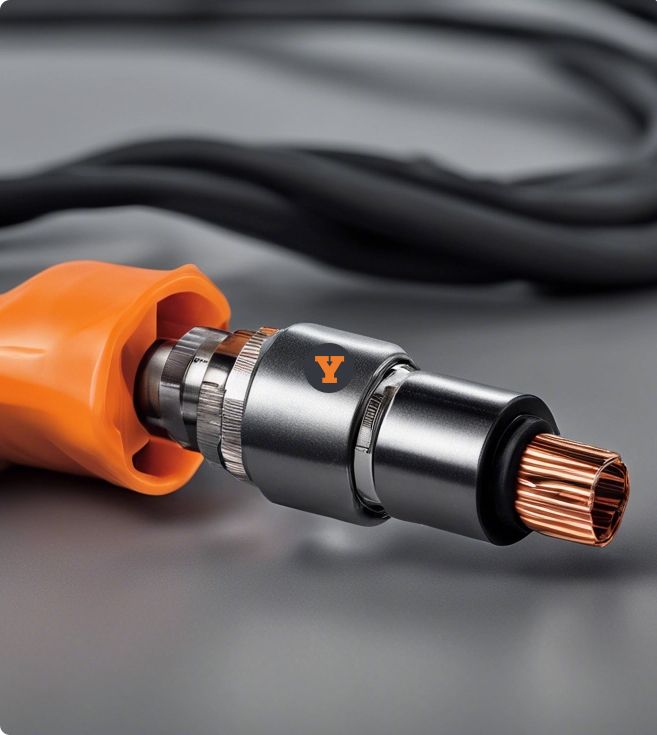
Cable Glands for Chemical Plants

YDT supplies cable glands for chemical plants, equipment manufacturers and engineering contractors. Explore options for cable entry sealing, retention and protection. Send your cable schedule, operating conditions and quantities to discuss suitable models and project purchasing.

Cable Gland Options for Chemical Equipment

Chemical plants contain different installation environments, from indoor control rooms to outdoor pump areas and classified hazardous locations. Select cable glands around the conditions at each entry point, the cable construction and the connected equipment. One specification may not suit every location on the same project.

Product TypeSelection FocusDetails to Confirm
Stainless Steel Cable GlandsMetal cable entries exposed to demanding environmental conditionsAvailable material grade, chemical exposure, seal material and installation temperature
Nylon Cable GlandsLightweight cable entry components where the specified polymer is suitableMaterial compatibility, temperature, UV exposure and mechanical requirements
Explosion-Proof Cable GlandsCable entries requiring a documented hazardous-area solutionExact model certification, protection type, cable compatibility and installation conditions
Armored Cable GlandsConnections for compatible armored cable constructionsArmor type and dimensions, inner and outer sheath sizes, and bonding requirements
Non-Armored Cable GlandsConnections for unarmored cablesCable diameter, sheath characteristics and any required hazardous-area approval

Material, cable construction and hazardous-area suitability are separate selection factors. Confirm the combination required for each item rather than selecting by product name alone.

Select Body and Seal Materials for Chemical Exposure

Corrosion-resistant cable glands must be assessed against the actual exposure. Identify the chemical, concentration, operating temperature and whether contact occurs through vapor, occasional splashing, cleaning or continuous exposure.

Check the Gland Body and Seal Separately

A suitable metal or polymer body does not automatically establish seal compatibility. Review the gland body, sealing insert, entry gasket and other exposed components. Request confirmation of the available materials for the selected model before approving it for chemical service.

Include Cleaning Agents and Outdoor Conditions

Specify cleaning chemicals as well as process chemicals. Outdoor installations may also experience rain, sunlight, salt exposure and temperature changes. These conditions should be considered together when reviewing chemical-resistant cable glands.

Provide Information for Material Review

Include chemical names, concentrations, safety data sheets where available, normal and maximum temperatures, and expected contact duration. For mixed or changing exposure conditions, identify the most demanding operating and cleaning conditions in the inquiry.

Cable Glands for Hazardous Locations

Where the project identifies a hazardous location, cable gland selection must match the equipment requirements and the applicable installation rules. Do not assume that every chemical plant area is classified or that every metal gland is suitable for a classified area.

Provide the area classification, gas or dust information, required protection level, ambient temperature and the enclosure’s cable entry requirements. Review the complete certification and any special conditions for the exact proposed model.

Also identify the cable construction and whether the equipment or installation requires a barrier gland. Armored and unarmored cables need different compatibility checks; neither construction alone determines hazardous-area suitability.

Environmental Sealing and Cable Retention

Outdoor, Wet and Dusty Installations

Waterproof cable glands can be considered for enclosure entries requiring protection against water and dust, subject to the selected model’s rating and installation conditions. Match the seal to the cable diameter and confirm the enclosure interface, gasket and assembly requirements.

State whether the installation is exposed to rain, water jets, immersion or cleaning. These are different conditions. An immersion rating alone does not establish suitability for high-pressure cleaning or chemical washdown.

Vibration and Cable Loading

Pumps, motors and mixing equipment can expose cable connections to vibration. Select a suitable clamping range and support the cable route so avoidable loads are not transferred to the entry point. Follow the selected product’s installation instructions and specified tightening requirements.

Restricted Installation Space

Check the available clearance around the enclosure entry, including access for installation and maintenance. Review cable bend requirements, thread engagement and panel thickness. Where threads differ, select cable gland adaptors, reducers and enlargers that meet the installation requirements, including certification where applicable.

Learn More

Close

Fearless Against Chemicals, Flawless Protection

Uncompromising Cable Protection For Chemicals

Typical Chemical Plant Applications

Equipment or LocationTypical Cable EntryKey Selection Considerations
Pumps and MotorsPower and monitoring cable connectionsVibration, cable support, weather exposure and area classification
Valve ActuatorsPower, control and position-feedback wiringEntry dimensions, installation clearance and local chemical exposure
Instrument Junction BoxesMeasurement and signal cable entriesCable diameter, sealing, identification and required equipment approvals
Control CabinetsIncoming power and outgoing control cablesMultiple cable sizes, entry layout, grounding and maintenance access
Mixing and Dosing EquipmentMotor, sensor and control connectionsSplash exposure, cleaning conditions, vibration and temperature
Powder-Handling AreasEquipment and enclosure cable entriesDust ingress and any documented combustible-dust requirements
Water and Wastewater Treatment EquipmentPump, sensor and local control connectionsHumidity, outdoor exposure and treatment-chemical compatibility

Prepare a Cable Gland Schedule for Your Project

An itemized cable gland schedule helps purchasing and engineering teams review the same requirements. Send the following information with your BOM or RFQ.

Required InformationWhat to Include
Cable DetailsArmored or unarmored construction, outside diameter, sheath information and armor dimensions where applicable
Equipment EntryThread standard and size, entry-hole details, panel thickness and installation clearance
Operating ConditionsChemicals, concentrations, exposure method, temperature, moisture and cleaning conditions
Hazardous-Area RequirementsArea classification, equipment protection requirements and required certification scheme
AccessoriesLocknuts, entry seals, adaptors, reducers and any bonding accessories required by the design
Order RequirementsQuantity per item, sample needs, required delivery date and documentation requirements

If the specification includes pressure or vacuum sealing, state the required pressure differential, medium and leakage criteria separately. Environmental sealing or explosion-protection markings do not by themselves establish pressure or vacuum performance.

Project Purchasing and Supporting Cable Protection

YDT’s cable gland range provides a starting point for comparing product types across a chemical equipment project. Send a combined BOM with the specifications and quantities for each item to discuss model selection and quotation.

For exposed cable routes, include any requirements for armored flexible conduits and conduit connectors and fittings. Review their material suitability and compatibility separately from the cable gland selection.

Before placing a bulk order, confirm the agreed models, materials, accessories, sample arrangements and available documents. Keep approved item references with your equipment records to support repeat orders and replacement-part purchasing.

Why Work with YDT?

YDT manufactures cable glands and offers related cable protection and connection products. Chemical equipment buyers can discuss cable entry components and supporting accessories within the same purchasing inquiry.

Share drawings, existing component references and operating requirements so the proposed products can be reviewed against your specification. Request confirmation of model-specific dimensions, materials, available certificates and installation information before approval.

For customized requirements, identify the dimensions or materials that need to change. Customization feasibility, documentation and delivery should be confirmed before the order specification is finalized.

Frequently Asked Questions

Which cable gland material should I choose for a chemical plant?

The choice depends on the chemical, concentration, temperature and exposure conditions. Review both the body and the seal materials. Provide the operating details rather than selecting solely by a general description such as “acid-resistant” or “stainless steel.”

Do all chemical plant installations require explosion-proof cable glands?

No. Requirements depend on the area classification, connected equipment and applicable installation rules. Provide the project specification so the exact model and its documentation can be checked.

Can you quote multiple sizes and accessories together?

Send an itemized BOM covering cable glands and required accessories. Include cable dimensions, entry threads, quantities and any mandatory material or certification requirements for each item.

Can I request samples before a production order?

Include the selected models and sample quantities in your inquiry. Confirm availability, cost and dispatch timing before arranging fit and installation checks.

What are the MOQ and delivery time?

Request confirmation for the selected models and quantities. Standard products, special materials and customized components may have different purchasing and delivery requirements.

What documents should I request?

Identify the documents needed for engineering approval, such as dimensional drawings, material information, installation instructions and applicable certificates. Confirm availability and ensure that documents correspond to the exact supplied models.

Request Cable Glands for Your Chemical Plant Project

Send YDT your cable schedule, equipment drawings, operating conditions and quantities. We can discuss product selection and purchasing requirements for your chemical equipment build, plant project or replacement program.

Send Your BOM and Request a Quote


Learn More

Close

  • Quality material for chemical resistance.

  • Quality seals for secure cable connections.

  • Self-extinguishing and low smoke emission.

  • Corrosion-resistant coatings.

  • Compliance with chemical safety standards.

What Makes YDT Your Ultimate

Recommended
Products

Brass cable glands M types IP66 IP68 Stress relief Wire clamp

Extended brass cable gland M types IP66 IP68 Stress relief Wire clamp

Brass cable glands PG types IP66 IP68 Stress relief Wire clamp

Extended brass cable gland PG types IP66 IP68 Stress relief Wire clamp

Related Cases

CONTACT US

-

CABLE GLAND
MANUFACTURER

CONTACT US

-

CABLE GLAND
MANUFACTURER

CONTACT US

-

CABLE GLAND
MANUFACTURER

CONTACT US

-

CABLE GLAND
MANUFACTURER

RIGHT CABLE
PROTECTION FOR YOUR SOLUTIONS

GET IN TOUCH WITH US

GET IN TOUCH WITH US